
Tournament and Game Day Photography
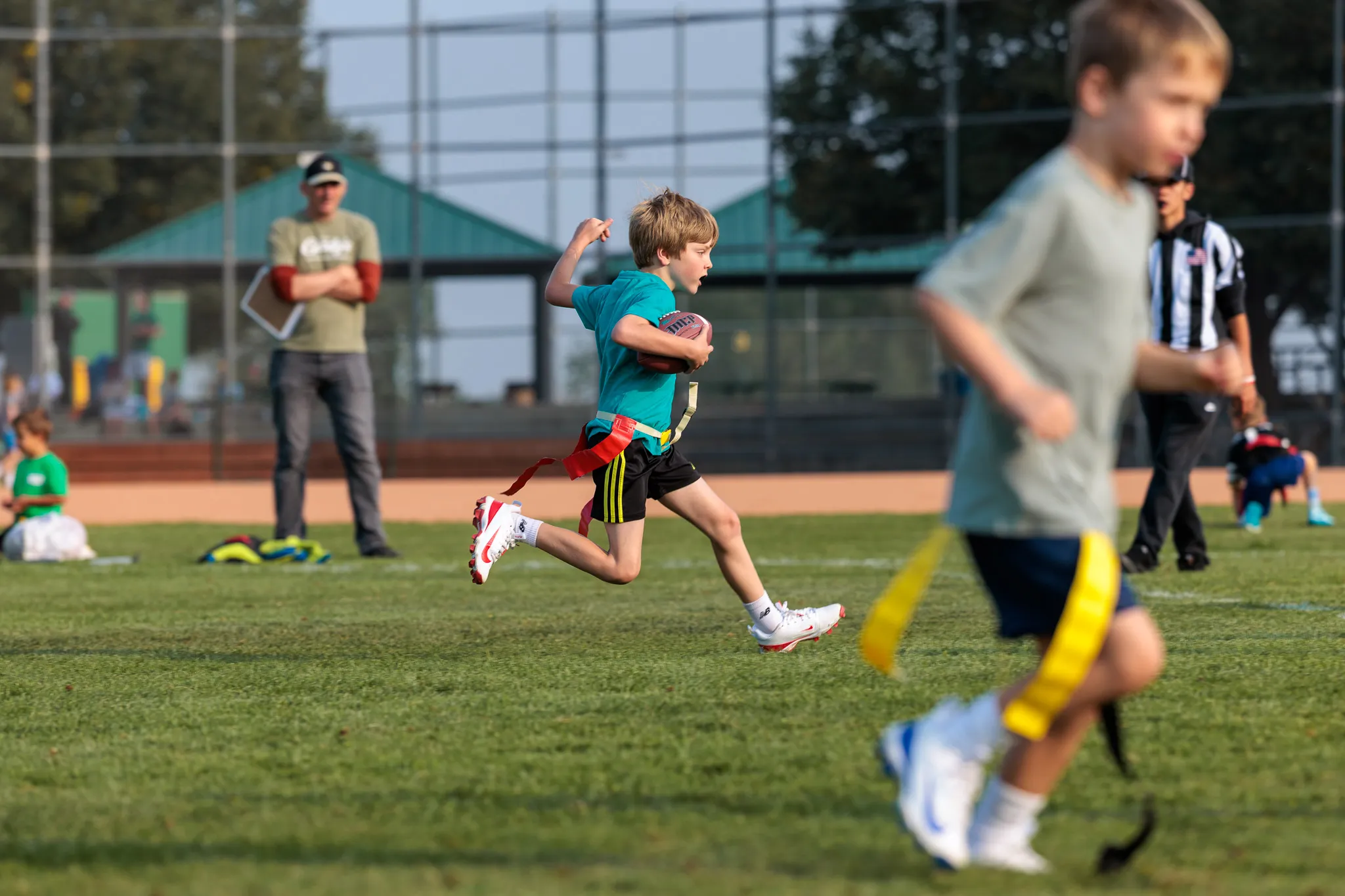
Tournament days are long, intense, and full of the kind of moments that define a season. Here is how I cover them from first warmup to final whistle.
Why Tournaments Matter
Regular season games are important. Tournaments are different. The stakes are higher, the emotions are bigger, and the entire day is compressed into a marathon of competition. A kid who plays three games in a single Saturday at the Broomfield Sports Complex will experience more emotional highs and lows in those eight hours than in a month of regular season play.
That compression is what makes tournament photography so rewarding. The early morning nerves before game one, the exhaustion by game three, the championship celebration (or the gut-punch of a semifinal loss). It is an entire season's worth of emotion packed into one day, and I am there for all of it.
Pre-Game and Warm-Ups
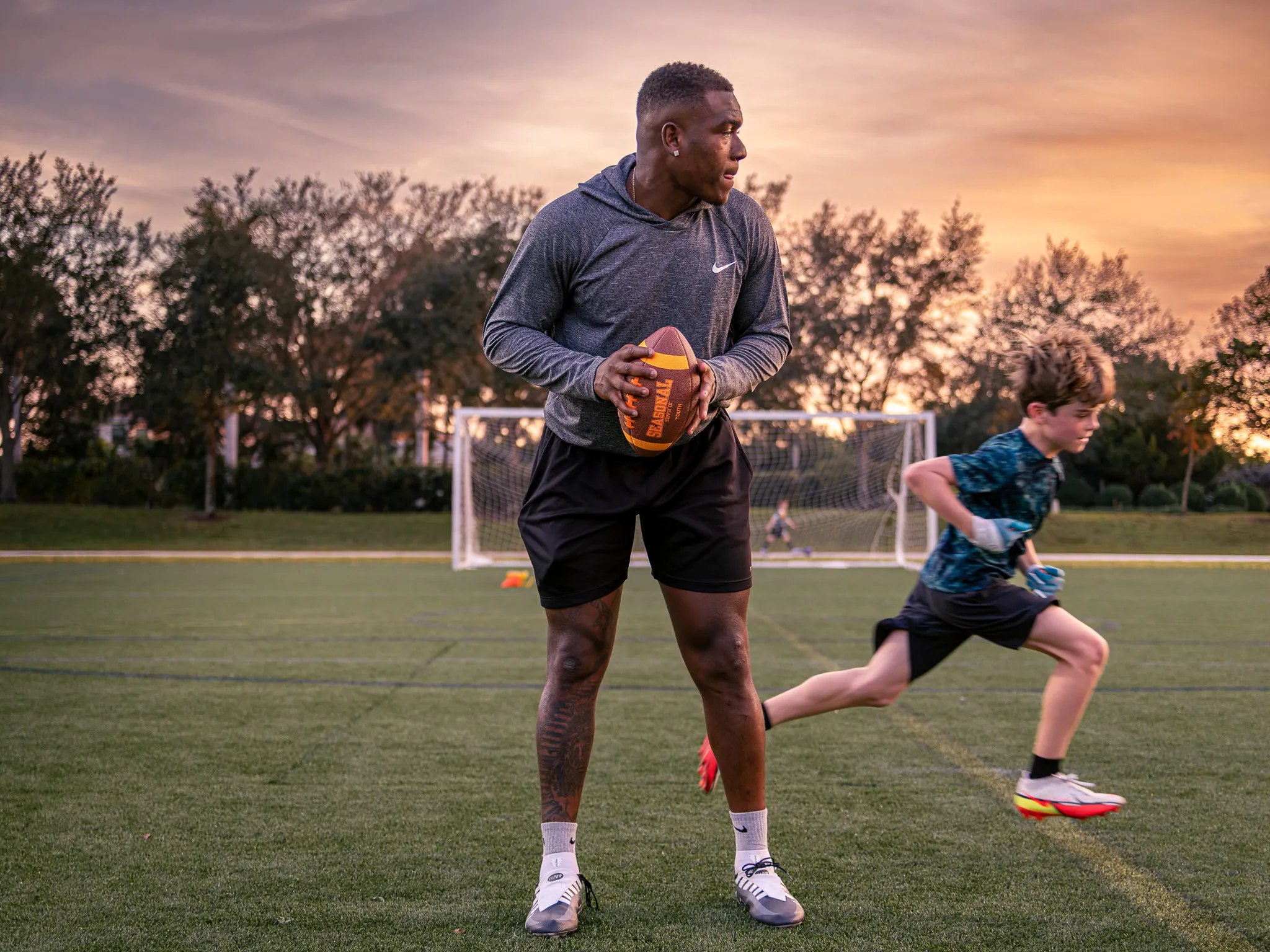
I arrive before the first game. Warm-ups are rich with photo moments that set the tone for the day:
- The team arriving together, bags over shoulders, game faces already forming
- Stretching circles with nervous laughter and last-minute pep talks
- Passing drills where you can see who is focused and who is still waking up
- Parents setting up chairs and coolers along the sideline
- The coach's pre-game whiteboard session
These images provide context. When you look at the gallery later, the warm-up shots remind you what the morning felt like. The early light, the dew on the grass, the anticipation.
Multi-Game Coverage
A typical tournament day means 3 to 5 games with short breaks between. Here is how I manage the volume:
Between games: I swap memory cards and batteries, review a few frames to make sure my settings are dialed for the current lighting conditions, and reposition for the next opponent. I also grab candid shots during breaks: kids eating oranges, coaches strategizing with lineup cards, the scorer's table resetting.
Energy management: A full tournament day is physically demanding. I am on my feet for 8 to 10 hours, carrying 15 to 20 pounds of gear, moving constantly along sidelines. I stay hydrated, eat during breaks, and pace my movement so I am sharp for the later games when the stakes are highest.
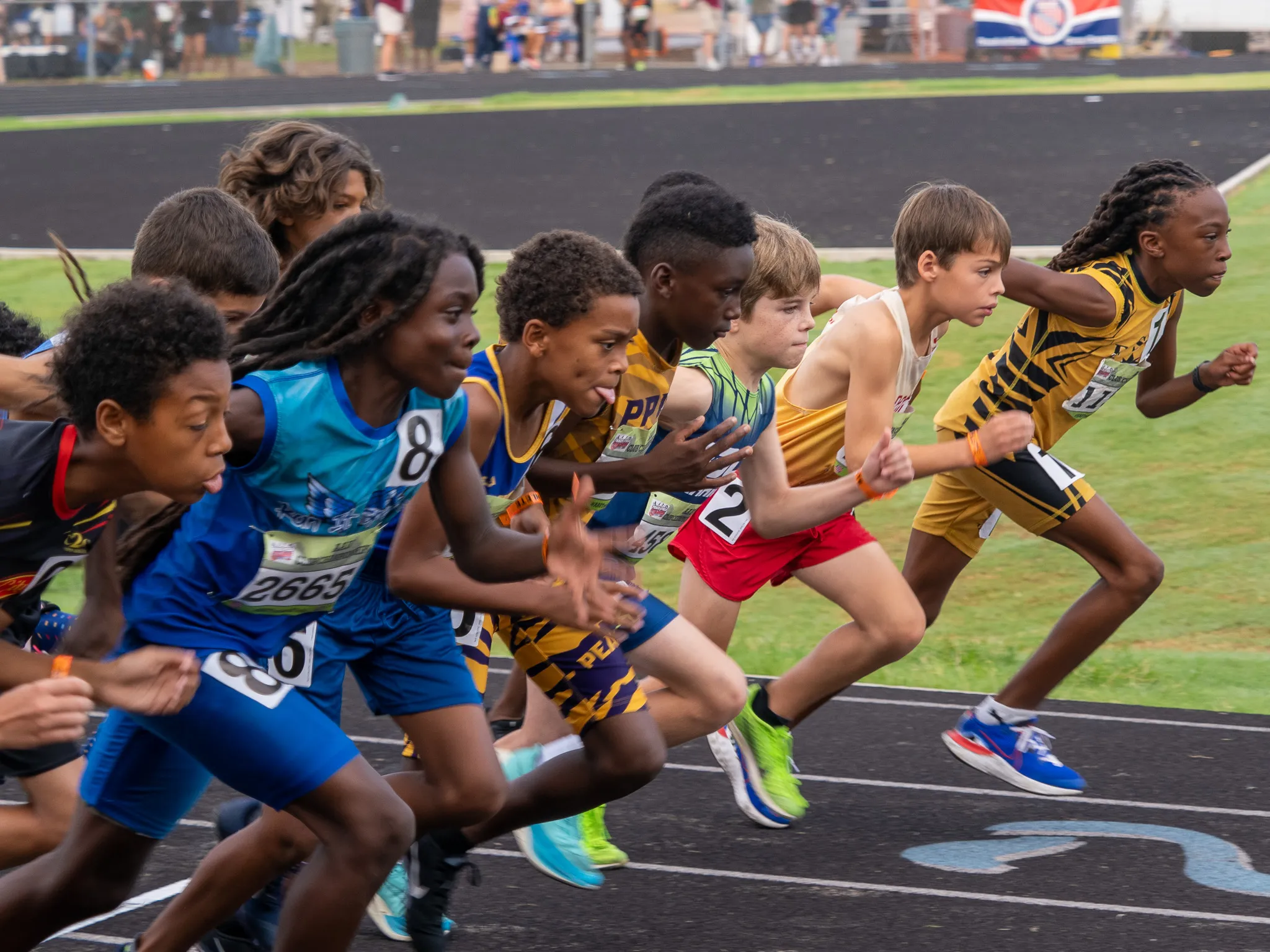
Storytelling across games: I am looking for the arc of the day. How does the team change from game one to game three? Who steps up when the games get tighter? Which kid who was quiet in the morning becomes the loudest voice by the afternoon? Tournament photography is not just a collection of individual game shots. It is the story of a full day.
The Pressure Games
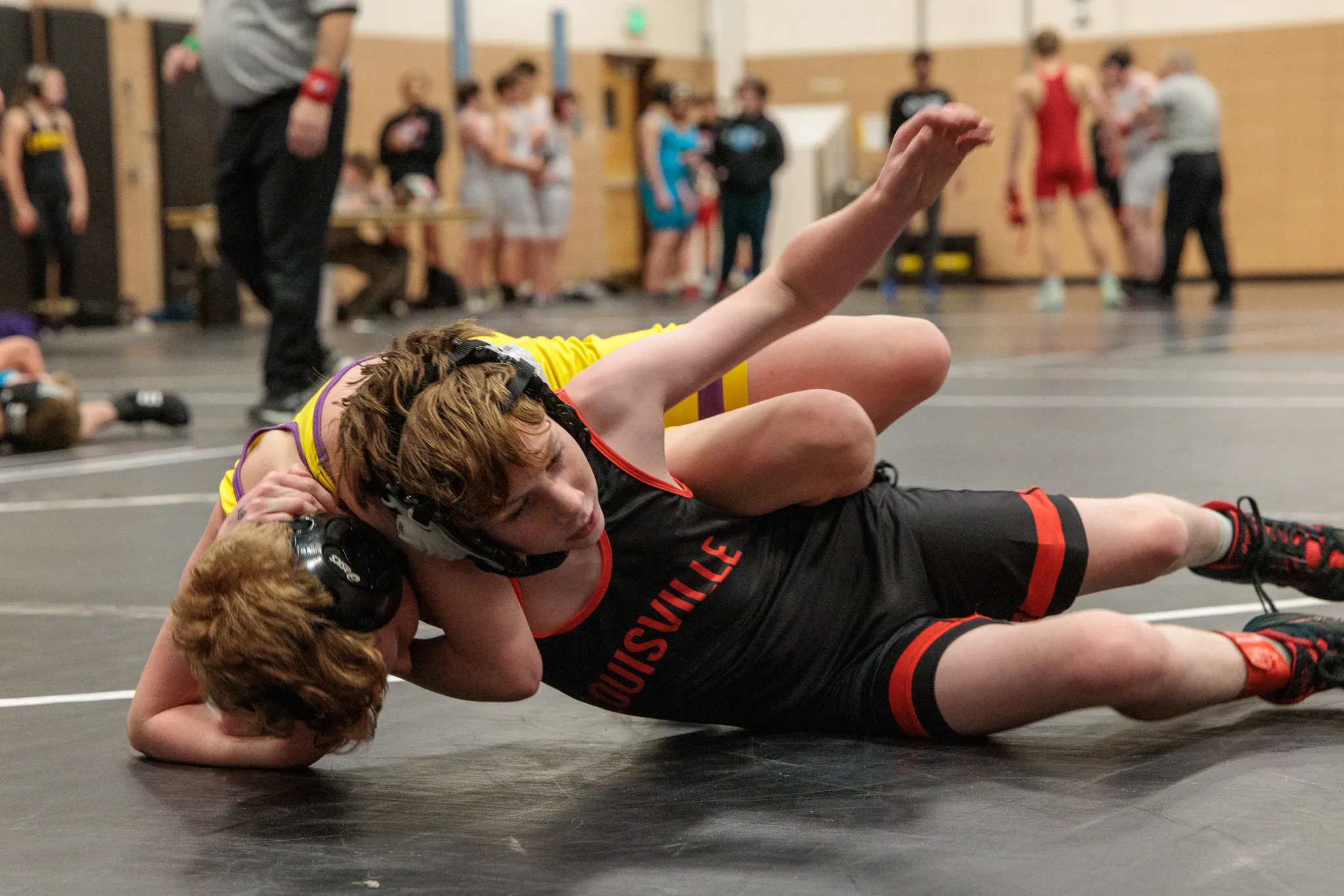
Semifinals and finals are where everything intensifies. The parents are louder, the kids are more focused, and every play feels heavier. I adjust my approach for these games:
- I shoot more frames per minute, especially in the second half when the game is tight
- I prioritize emotion over technique: the face after a missed shot matters more than perfect form on a routine play
- I move to end-line positions more frequently for goals, touchdowns, or baskets
- I watch the bench and the parents as much as the field. Reactions from the sideline tell the story.
If the team wins the championship, the celebration photos are some of the best images I take all year. Dog piles, trophies held overhead, teammates jumping on each other, parents rushing the field. Pure, unscripted joy.
If they lose, those photos matter too. The heads-down walk off the field, the consoling hug from a parent, the coach gathering the team one last time. These are not fun to take, but they are real, and years later families are glad to have them.
Team Packages
The most popular way to book tournament coverage is through a team package. Here is how it works:
- The team (or a parent coordinator) books me for the full tournament day
- I cover every game the team plays, plus warm-ups and between-game downtime
- Every family on the team gets access to the full gallery
- The cost is split among the families, which makes per-family pricing very reasonable
- Individual families can order prints and downloads from the gallery
I have worked with club soccer teams, lacrosse clubs, and basketball travel teams across Boulder County on this model. It is straightforward, fair, and everyone benefits. The team manager or parent coordinator handles the logistics on their end, and I handle everything on mine.
Local Tournament Venues I Know
I have shot tournaments at most of the major venues along the Front Range:
- Broomfield Sports Complex: Multi-field soccer and lacrosse tournaments. I know the field layout and where the sun tracks across the complex throughout the day.
- Stazio and Pleasant View (Boulder): Smaller tournament setups, usually 2 to 4 fields. Tight sidelines but great mountain backdrops.
- Longmont Sandstone Ranch: Large complex with good sight lines and consistent lighting.
- Dick's Sporting Goods Park (Commerce City): Big tournaments with professional-grade fields. The turf and lighting are consistent, which makes my job easier.
If your tournament is at a venue I have not shot before, I arrive extra early to scout field orientation, sun angles, and sideline access. Ten minutes of scouting saves me from bad positions all day.
Booking Tournament Coverage
Tournaments fill my calendar fast, especially in spring and fall. If you know your team's tournament schedule, reach out early so I can hold the date. I book on a first-come basis and can only cover one tournament per day (I am one person with two hands and one camera rig).
Frequently Asked Questions
Can you cover multiple games in a single tournament day?
Yes. I regularly cover 3 to 5 games in a day at tournament events. I pace myself with battery swaps, card changes, and short breaks between games. For full-day coverage, I deliver a much larger gallery since the volume of action and emotion is significantly higher.
Do you offer team packages for tournaments?
I do. Team packages are the most cost-effective way to cover a tournament. The team splits the cost, every player gets coverage, and each family receives the full gallery. I have worked with club teams across Boulder County on this model and it works well for everyone.
What happens if games run late or the schedule changes?
Tournaments never run on time. I plan for that. I build buffer time into my schedule and stay flexible. If games get delayed by weather, go to overtime, or shift fields, I adjust. I am there for the whole event, not just a time slot.
Photography Services
These services connect to the topics covered in this guide.
Have a question about your session?
I am happy to help. Send me a message and let's figure out the details.