
Baseball and Softball Photography
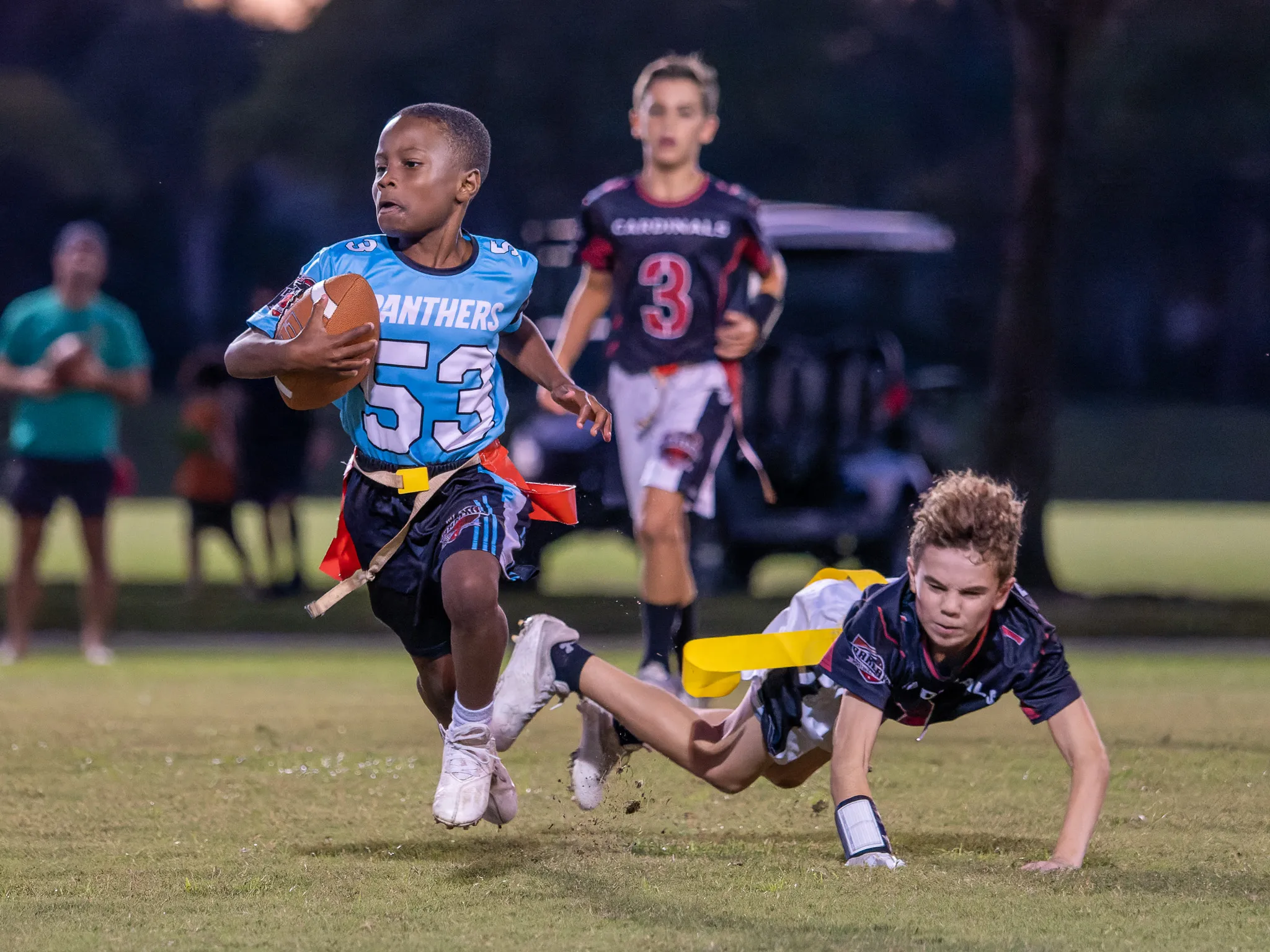
Baseball and softball are full of dramatic pauses and split-second action. The trick is knowing which moments to wait for and which ones to chase.
A Photographer's Sport
Baseball and softball give me something most sports do not: time to think. Between pitches, between innings, during mound visits. The pace of the game creates these little windows where I can reposition, adjust settings, and anticipate what is coming next.
Then everything explodes. A line drive up the middle, a diving catch in the outfield, a close play at the plate. Those moments last less than a second, and they are why I love shooting these sports.
Where I Position Myself
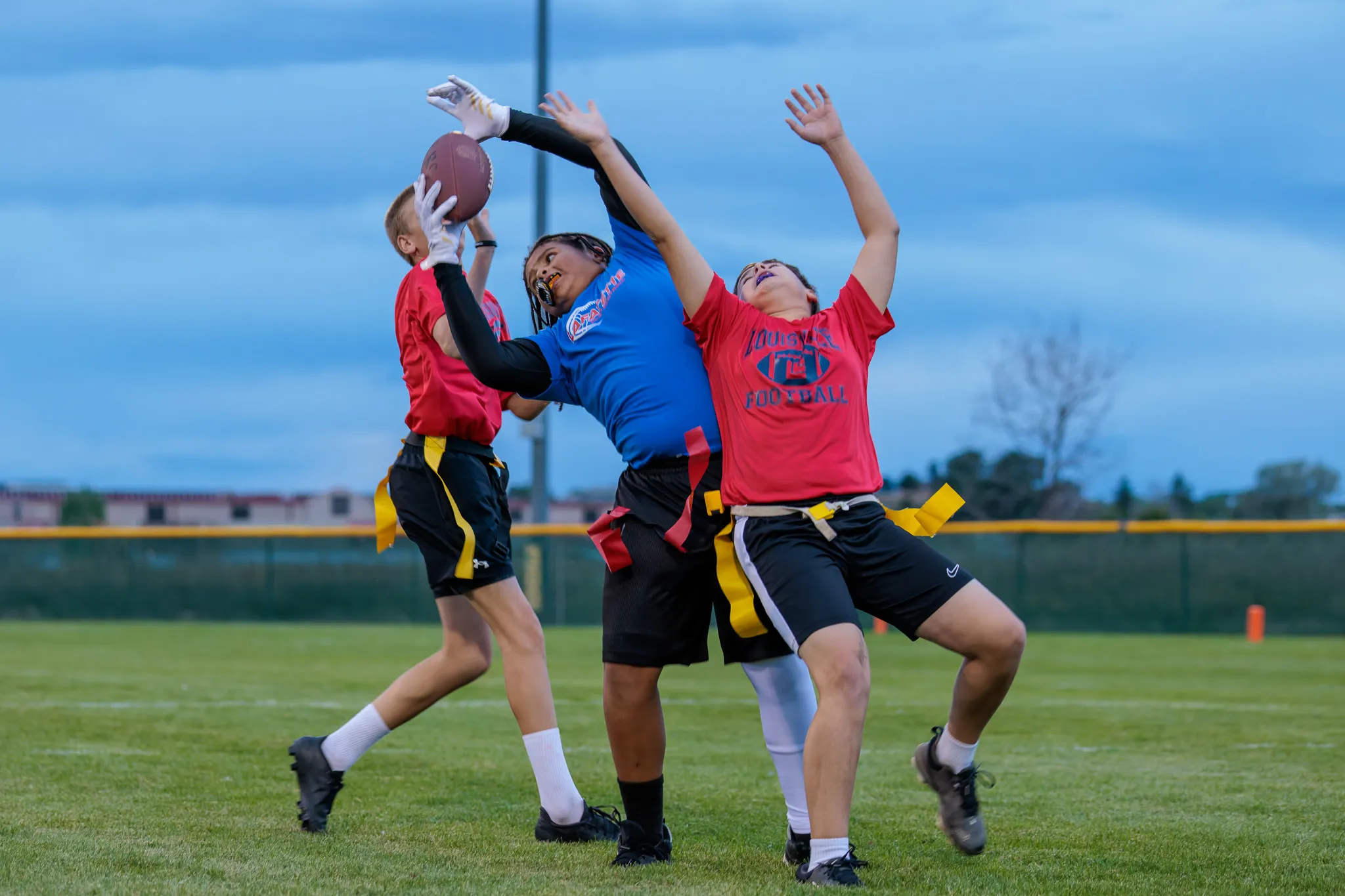
I move constantly during a baseball or softball game. No single position gives you everything, so I rotate between three main spots:
- Behind the backstop: This is where I get batting and pitching shots head-on. The fence disappears with the right lens technique (more on that below). I can see the batter's face, the pitcher's windup, and the catcher framing pitches.
- Down the first base line: Great angle for right-handed batters' follow-through, plays at first, and pickoff attempts. Also my go-to for softball pitchers since the windmill delivery looks best from this side.
- Down the third base line: Left-handed batters, slides into third, and the classic "rounding third heading home" shot. This is also where I catch runners leading off and the tension before a steal attempt.
At fields like Scott Carpenter Park in Boulder and Sunset Park in Longmont, I know exactly where the dugouts, fences, and sun angles are. That familiarity saves me time and gets me in position faster.
Shooting Through the Fence
Every baseball and softball parent has tried to take a photo through the backstop and gotten a blurry mess of chain link and unfocused player. Here is the secret: get a long lens with a wide aperture (I use a 70-200mm f/2.8 or a 100-400mm), get the front element as close to the fence as possible, and let the shallow depth of field do its work. The chain link literally vanishes. It is one of the most satisfying tricks in sports photography.
For parents shooting on phones, this is nearly impossible. The phone's small sensor keeps too much in focus. That is one of the biggest reasons professional baseball photos look so different from what you get on the sideline with your iPhone.
The Action Shots
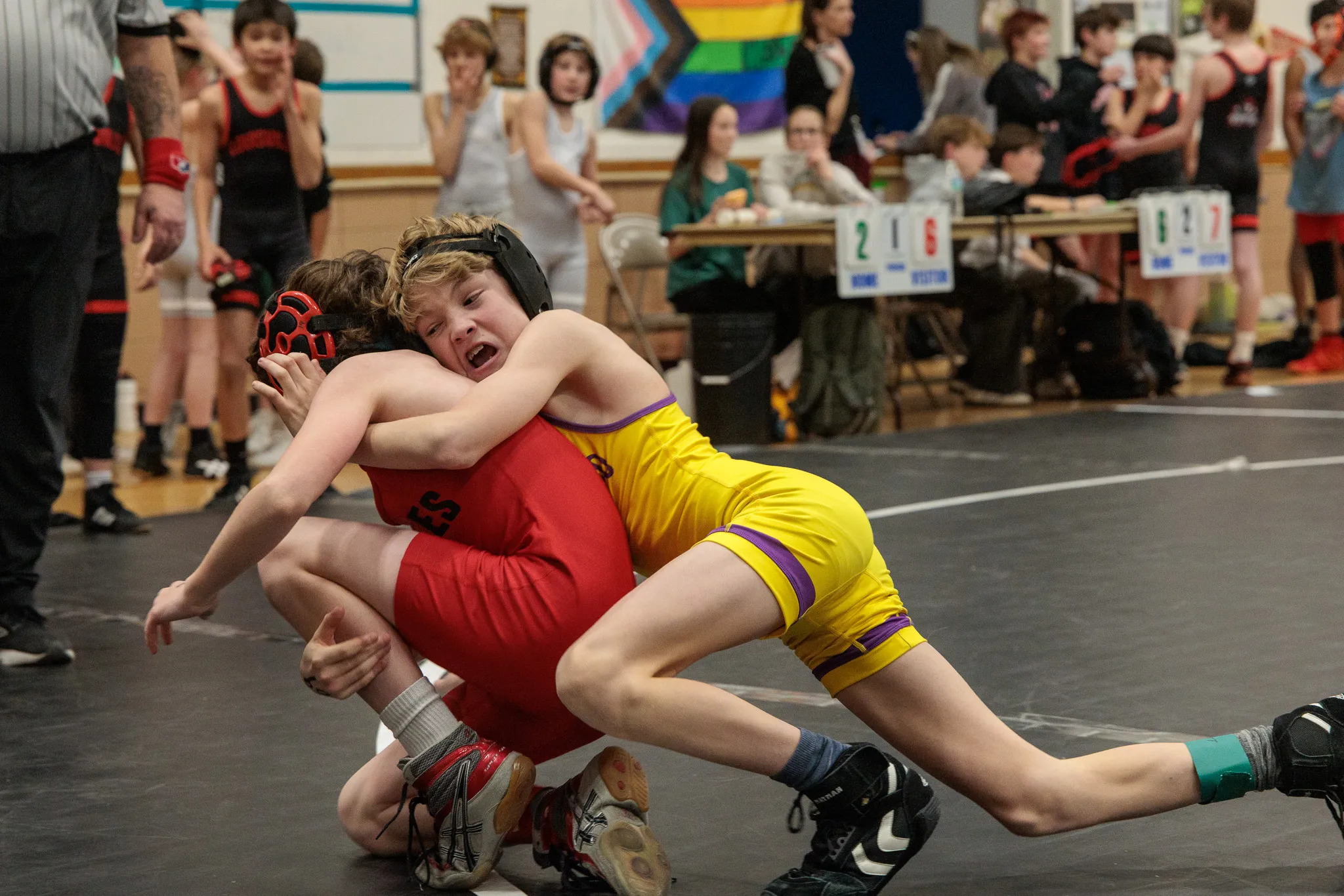
The big moments everyone wants:
- The swing: I time the shutter to catch bat-on-ball contact. The bat bending slightly, the ball compressing, dirt kicking up from the batter's back foot.
- Pitching delivery: The full extension of a fastball, the snap of a curveball release. For softball, the windmill is one of the most photogenic motions in sports.
- Fielding plays: A shortstop backhand, an outfielder at full sprint, a first baseman stretching for the throw. These are the photos that end up on bedroom walls.
- Slides: Nothing beats a cloud of dirt and a kid sliding headfirst into second. I position for these whenever there is a base-stealing threat.
- Celebrating: The dugout going wild after a home run. Teammates meeting at the plate. The jumping pile after a big win.
The Slow Moments That Tell the Story
Here is what separates professional baseball photography from a parent with a zoom lens: the quiet stuff. I am always shooting between plays, and these are some of my favorite images:
- A pitcher staring down the batter, ball hidden in the glove
- The catcher flashing signs between their legs
- Infielders chatting during a mound visit
- A kid alone in the on-deck circle, taking practice swings with nobody watching
- The coach's hand on a shoulder after a strikeout
- Sunflower seeds and bubble gum in the dugout
These photos do not get the most likes on Instagram, but they are the ones parents come back to years later and say, "I forgot he used to do that." That is the whole point.
Lighting Considerations
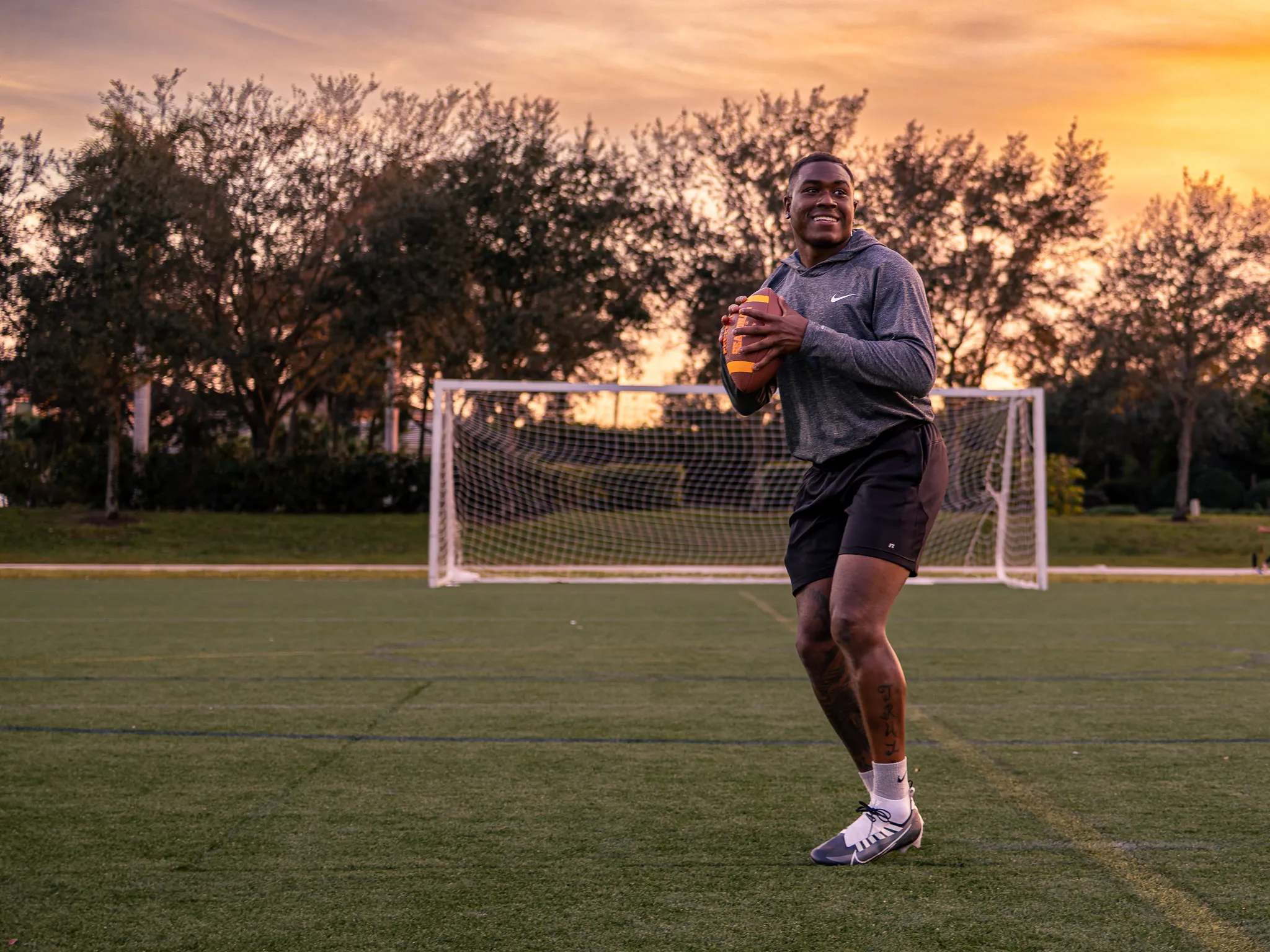
Most youth baseball and softball in Boulder happens in late afternoon and evening, which is actually ideal. The low sun creates warm light and long shadows that make photos feel cinematic. Saturday morning games have flat, even light, which is easier to expose but less dramatic.
The challenge comes with mixed light: partly sunny days where the pitcher is in sun and the batter is in shadow. I adjust exposure on the fly and lean on post-processing to even things out. If the field has overhead lights for evening games, those introduce a yellow-green cast that I correct in editing.
What to Tell Me Before the Game
A few things help me deliver better results:
- Jersey number and position. If your kid pitches, I will make sure I am behind the backstop for their innings. If they play outfield, I will shift my angle to include them in fielding plays.
- What inning they bat. Knowing the lineup helps me be in position when your kid steps up to the plate.
- Is there a rivalry or a big game? I will adjust my approach for high-stakes games, focusing more on emotion and less on routine plays.
Frequently Asked Questions
Where is the best spot to photograph a baseball or softball game?
It depends on what you want to capture. Behind the backstop through the fence gives you head-on batting and pitching shots. Down the first or third base line gets you fielding plays, slides, and base running. I move between all three positions throughout the game to get a complete set of images.
Can you shoot through a chain-link fence without it showing up in photos?
Yes. With a long lens at a wide aperture (like f/2.8), the chain link disappears completely as long as I get the lens close to the fence. The shallow depth of field makes the fence vanish. You would never know it was there.
How do you handle the slow pace of baseball compared to faster sports?
Baseball's pace is actually an advantage for photography. The pauses give me time to reposition, change settings, and watch for the small moments: a pitcher adjusting their grip, a catcher flashing signs, a runner taking a lead. Those quiet moments are what make a baseball photo set feel complete.
Photography Services
These services connect to the topics covered in this guide.
Have a question about your session?
I am happy to help. Send me a message and let's figure out the details.