
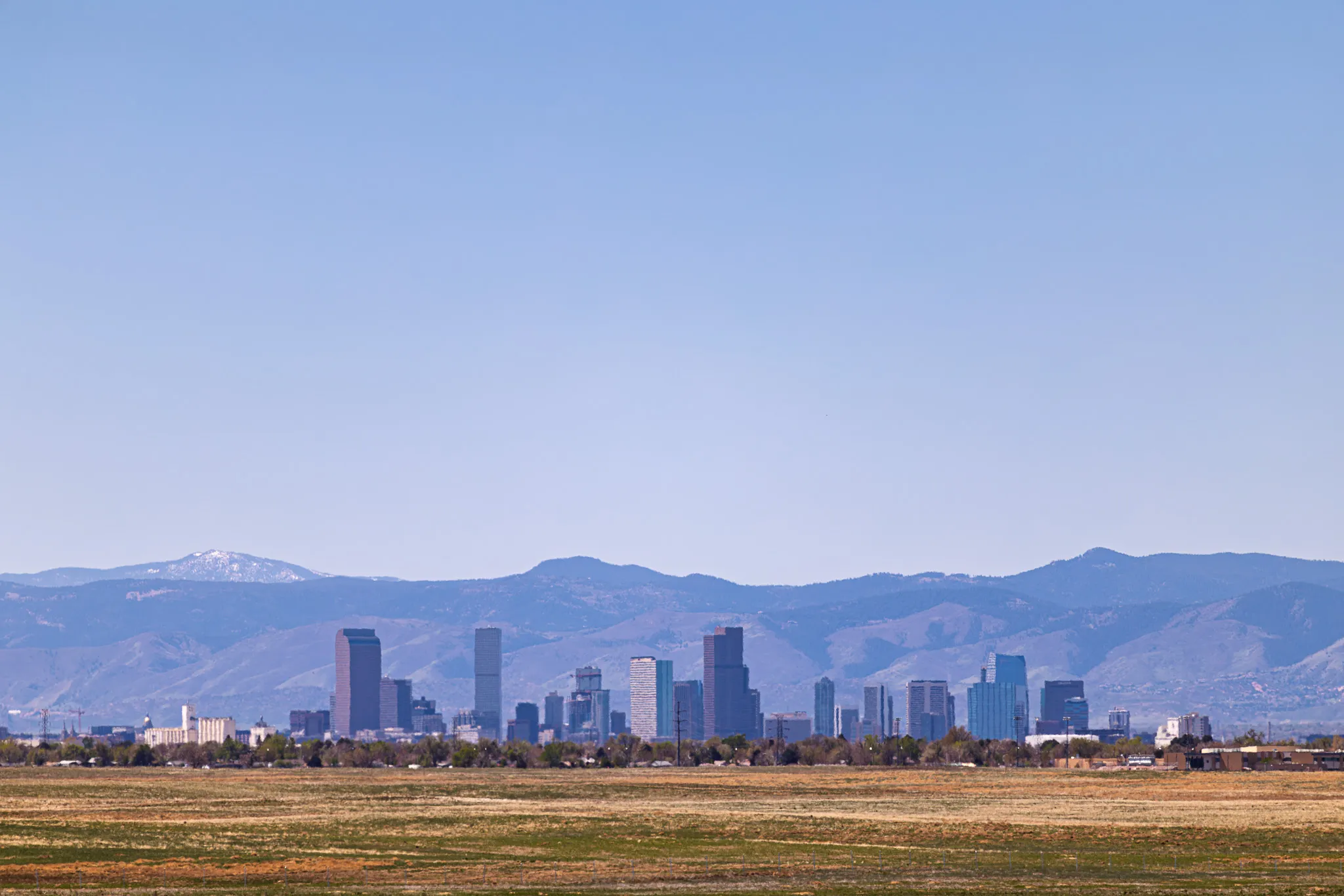
Month-by-Month: When to Shoot What in Colorado
Colorado looks different every month. Here is what I have learned about timing sessions across the seasons, and why it matters more than most people think.
Why Timing Matters Here
I moved to Colorado from Florida, where the landscape looks pretty much the same twelve months a year. Green, humid, flat. Colorado is the opposite. Every month brings a different color palette, different light, different weather patterns. A session at Chautauqua in July looks nothing like a session at Chautauqua in October, and both look nothing like January. Knowing what each month offers is one of the most useful things I can share with you before you book.
January and February: Snow and Stillness
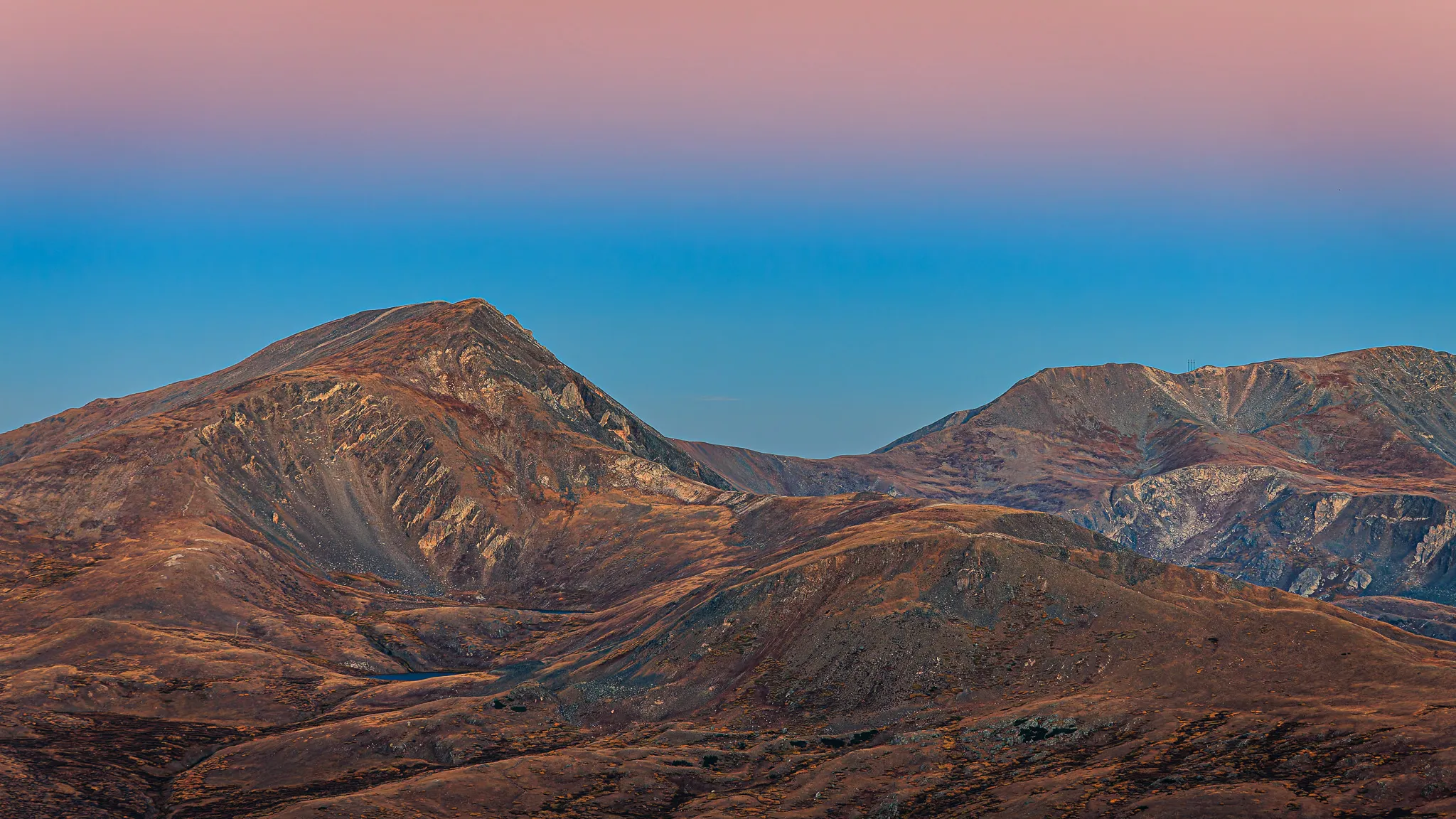
Winter in Boulder is colder than people expect, but it is also beautiful in a way that surprises newcomers. Fresh snow on the Flatirons, frosted ponderosa pines, that clean white light bouncing off everything. I schedule winter sessions for late morning or early afternoon, when the sun is up enough to keep things comfortable but still low enough to cast long shadows.
Best for: couples who want dramatic, quiet landscapes. Engagement sessions with fresh snow. Family portraits if everyone has warm layers and good attitudes about cold toes. Holiday card photos (though most of those happen in November and December).
Watch out for: wind chill along the foothills. I keep sessions shorter in deep winter, usually 45 minutes to an hour, and we stick to accessible locations where we can warm up in a car if needed. Chautauqua Meadow, The Peoples' Crossing, and the lower Flagstaff pulloffs all work well.
March and April: Mud Season
This is the honest part of the calendar. March and April are tough for outdoor photography along the Front Range. The snowpack is melting, trails are muddy or closed, and the landscape is that in-between brown color where winter is over but spring has not fully arrived. Locals call it mud season for good reason.
I do not stop shooting during these months, but I shift locations. Pearl Street, Boulder Creek Path (the paved sections), Wonderland Lake's hard-surface loop, and urban spots all work well when the trails are a mess. If you need to book during this window, just know I will pick locations carefully.
One exception: late April can surprise you. Some years we get a burst of early green along the creek corridors that photographs beautifully. I watch the conditions and jump on it when it happens.
May and June: Green Returns
May is when Colorado starts to wake up. The foothills turn green, wildflowers begin blooming at lower elevations, and the days get long enough for generous evening sessions. By late May, the meadows at Chautauqua and NCAR are lush, and the cottonwoods along Boulder Creek are fully leafed out.
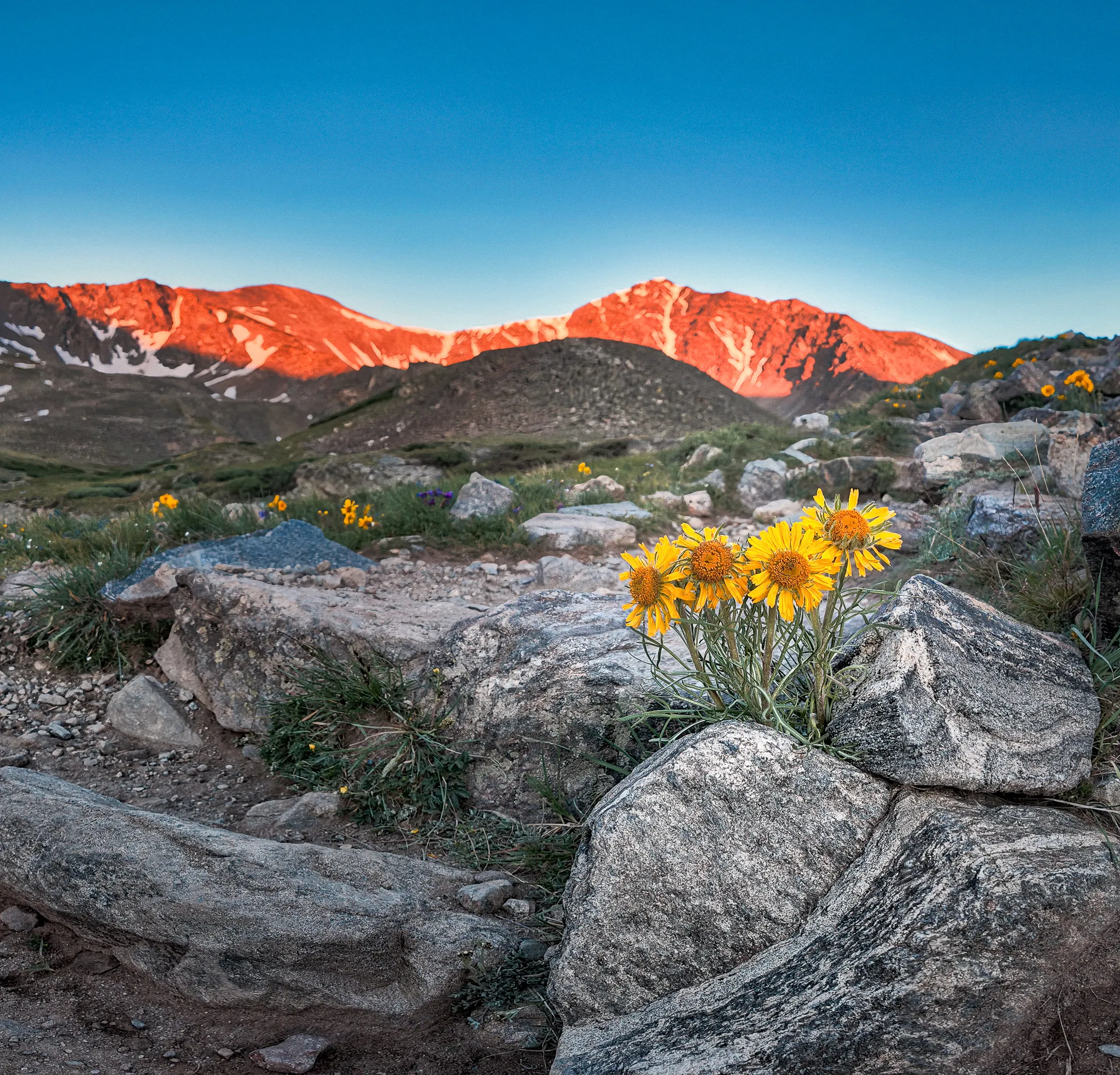
June pushes the wildflowers higher. Subalpine meadows start blooming around mid-June, and by late June you can find fields of lupine, paintbrush, and columbine above 9,000 feet. This is prime time for mountain sessions if you are willing to drive up to Nederland or the Indian Peaks area.
The catch: afternoon thunderstorms become a factor starting in late May and running through September. I schedule outdoor sessions for morning or the 90 minutes before sunset to avoid the storm window. More on that in my weather planning guide.
July and August: Alpine Meadows and Storm Awareness
Peak summer is peak wildflower season at elevation. The alpine meadows around Brainard Lake, Fourth of July trailhead, and the Indian Peaks Wilderness are carpeted in color. If you have ever wanted photos in a mountain wildflower meadow, this is the window. It usually lasts about three weeks, and the exact timing shifts year to year.
Down in Boulder, July and August are warm and green. Evening sessions at Chautauqua and South Mesa are gorgeous, with sunset painting the Flatirons orange. The key is starting late enough that the harshest light has passed but early enough to avoid getting caught in a storm.
Thunderstorm reality: nearly every afternoon from late June through August, clouds build over the mountains and storms roll through by 2 or 3 PM. They usually clear by 5 or 6 PM, leaving behind the cleanest, most golden light of the day. I plan around this rhythm, and it almost always works out.
September and October: The Peak Season
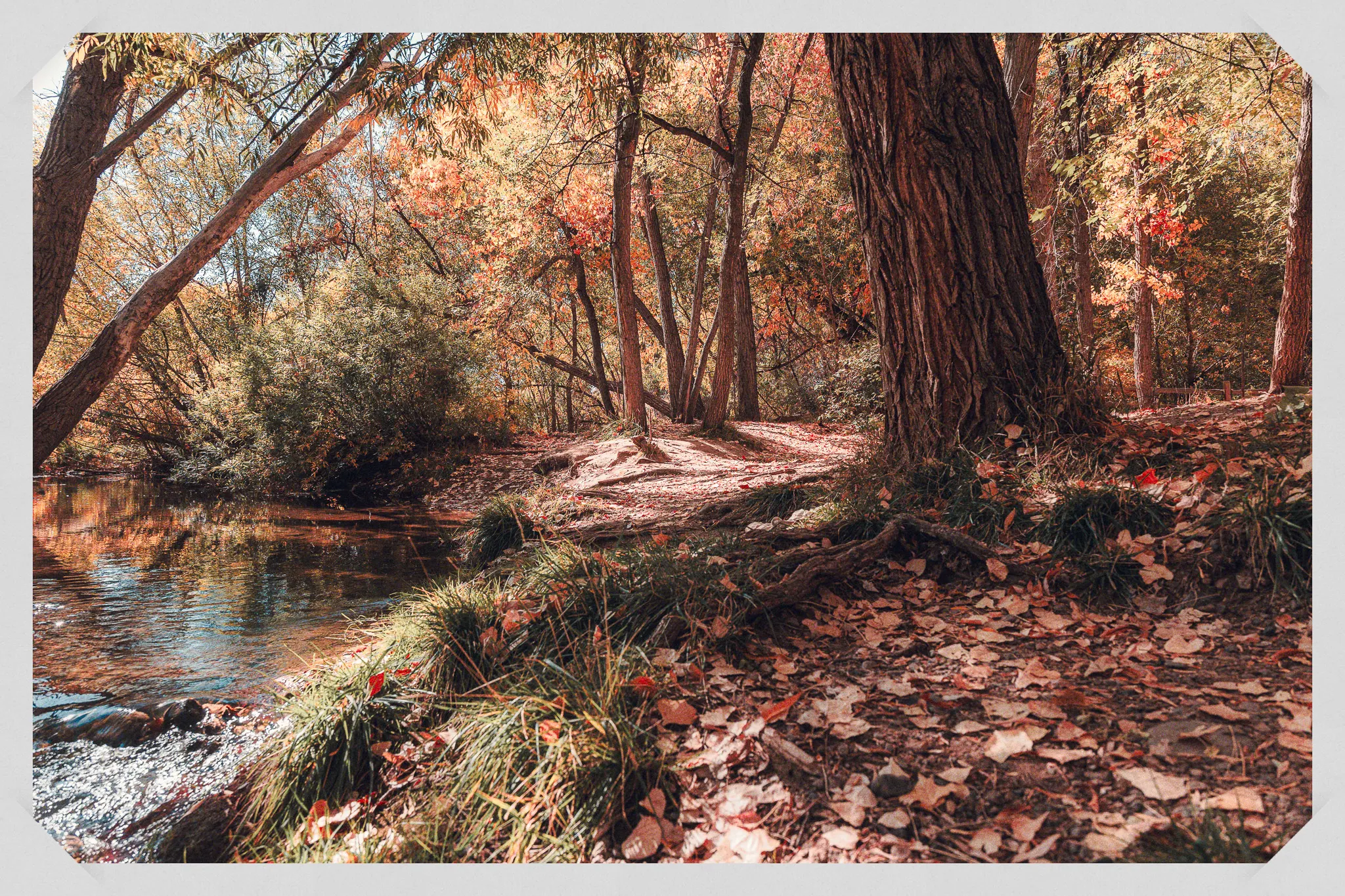
This is it. This is when Colorado is at its absolute best for photography, and when my calendar fills up fastest. The aspens start turning gold in mid-September at higher elevations, and the color works its way down through October. Boulder Canyon, Flagstaff Mountain, and the Peak to Peak Highway light up in waves of gold, orange, and rust.
The light shifts too. The sun drops lower in the sky, golden hour stretches longer, and that warm amber quality comes back after the harsher overhead light of summer. September and October sessions feel different. The air is crisp, the colors are warm, and there is this specific quality to Colorado fall that I have never seen anywhere else.
Booking tip: if you want fall color sessions, book by mid-August at the latest. I fill up fast during this window, and the best dates go early. I cannot move the aspens, so flexibility on your end helps me get you to the right spot at the right time.
November: Early Snow Meets Late Fall
November is an underrated month. Some years, you get an early snow that coats the remaining fall color, creating this golden-and-white combination that is absolutely worth shooting. Other years, November stays dry and mild along the Front Range, with warm afternoon light and bare-branched trees that have their own quiet beauty.
This is also the sweet spot for holiday card sessions. The weather is cold enough for cozy sweaters and scarves without being brutal, and a light dusting of snow makes everything festive. I usually schedule holiday sessions from late October through the third week of November to leave time for printing and mailing.
December: Holiday Light and Quiet Landscapes
December sessions are mostly about holiday photos, and they work best right at the beginning of the month before everyone's schedule gets chaotic. Pearl Street with its holiday lights is a favorite for urban sessions. Fresh snow at Chautauqua, if the timing works, is about as festive as it gets.
The days are short in December, so scheduling requires precision. Sunset hits around 4:30 PM, which means golden hour starts around 3:45. I start sessions at 3 PM for the best light, which honestly works well because it is not as cold as later in the afternoon.
My Seasonal Booking Advice
If you are flexible on timing, here is how I would rank the seasons for different session types:
- Family sessions: September and October are the top choice. May and June are a close second.
- Engagement and couples: late September for aspens, June for wildflowers, January for fresh snow if you are adventurous.
- Senior portraits: late August through September. You get summer warmth with fall color starting to appear.
- Headshots and branding: any month works since these are less dependent on landscape. Spring and fall give you the best outdoor light.
- Sports: follows the game schedule, so this one picks itself.
Whatever month you land on, I will find the best version of Colorado for that moment. Every season here has something worth photographing. You just need to know where to look.
Frequently Asked Questions
What is the single best month for outdoor photos in Colorado?
If I had to pick one, it would be late September into early October. The aspens are turning gold, the light is warm and low, the summer crowds have thinned out, and the weather is usually stable. You get comfortable temperatures without the afternoon thunderstorms that roll through all summer. October sessions along the Peak to Peak Highway or in Boulder Canyon are some of my favorite work every year.
When should I book my session to get fall colors?
Book for the last two weeks of September through the first week of October. Peak color varies by elevation. Lower elevations like Boulder Canyon hit peak around early October, while higher spots like Brainard Lake or Kenosha Pass peak in mid to late September. I keep a close eye on conditions and will let you know the best window for your location.
Is it worth shooting in winter?
Absolutely, if you are up for it. Fresh snow on the Flatirons is one of the most beautiful backdrops I have ever worked with. The key is timing: shoot right after a snowfall when everything is clean and white, and schedule for late morning so the temperatures are manageable. Winter light in Colorado is soft and golden, and the low sun angle means golden hour lasts longer than any other time of year.
What happens during mud season?
Mid-March through late April is what locals call mud season. The snow is melting, trails are sloppy, and everything looks brown and tired. I usually steer clients toward paved paths or urban locations during this window. Boulder Creek Path, Pearl Street, and Wonderland Lake's paved loop all work well. Mud season is not a dealbreaker, it just takes some creative location planning.
Photography Services
These services connect to the topics covered in this guide.
Have a question about your session?
I am happy to help. Send me a message and let's figure out the details.