
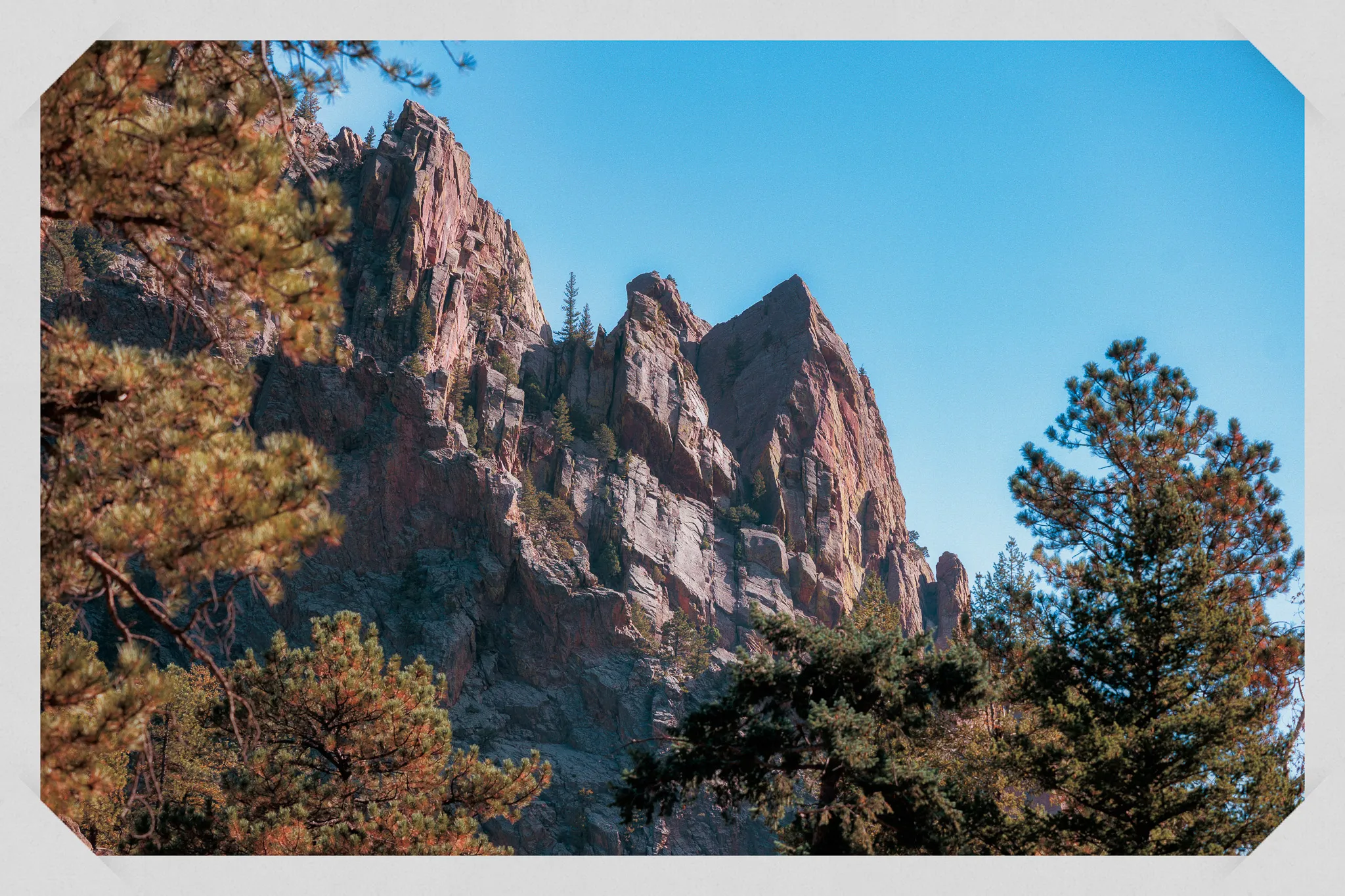
Golden Hour Along the Front Range
About 90% of my outdoor sessions happen during golden hour. Here is why, and what makes golden hour along the Front Range different from anywhere else.
What Golden Hour Actually Means Here
Golden hour is that window of warm, low-angled light that happens in the last hour or so before sunset (and the first hour after sunrise). Every photographer talks about it. But along Colorado's Front Range, golden hour has a twist that changes everything: the mountains.
When the sun drops low in the western sky, it does not just sink to the horizon like it does on flat ground. It drops behind the Rockies. That means golden hour ends earlier than the published sunset time, sometimes by 15 or 20 minutes depending on where you are. At Chautauqua, the sun disappears behind the Flatirons well before "official" sunset. At Wonderland Lake, you have a clearer western view and get a few more minutes.
I have learned to calculate this for every location I shoot. The published sunset time is just a starting point. The real question is: when does the sun drop behind the ridge from this specific spot? That is what determines our schedule.
The Mountain Shadow Factor
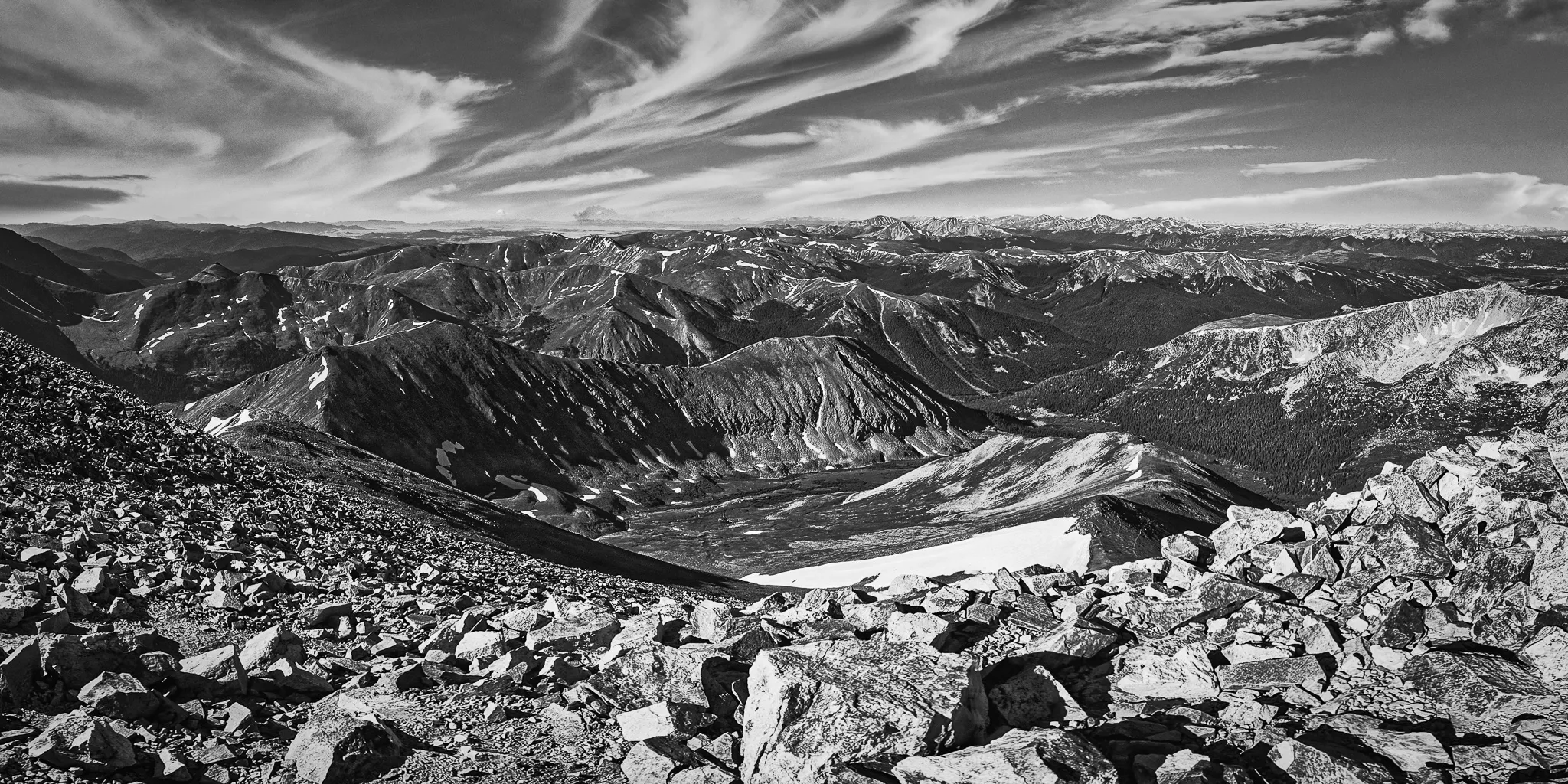
Here is something most people do not think about. The foothills and peaks along the Front Range create a shadow line that creeps east as the sun sets. If you are standing at the base of the Flatirons, you lose direct sunlight 20 to 30 minutes before someone standing out on the plains east of Boulder.
This matters for session planning. If I want warm, direct golden light on your face, I need to position you where the sun can still reach you. That often means choosing east-facing clearings, open meadows, or elevated spots where the shadow line has not arrived yet.
It also creates something beautiful: that moment just after the shadow passes, when you are in soft shade but the mountains behind you are still glowing gold in direct light. I specifically plan for this transition because it produces some of the most dramatic portraits I shoot all year.
Seasonal Sunset Times Along the Front Range
These are approximate effective sunset times for Boulder (when the sun actually drops behind the mountains, not the published astronomical sunset):
- January: 4:20 PM (published sunset around 4:50 PM)
- March: 5:50 PM (published around 6:15 PM)
- May: 7:30 PM (published around 8:00 PM)
- July: 7:50 PM (published around 8:20 PM)
- September: 6:30 PM (published around 7:00 PM)
- November: 4:15 PM (published around 4:45 PM)
These shift depending on your exact location. Closer to the mountains means the sun disappears sooner. Further east on the plains, you get closer to the published time. When I confirm your session, I give you a specific start time based on the date, location, and where the light will be.
Best Locations for Evening Golden Light
Not every spot works equally well for golden hour. The best evening locations have a clear view to the west or southwest so you get direct low-angle light for as long as possible.
East-Facing Slopes and Meadows
Spots that face east catch the last light beautifully because the setting sun illuminates the scene from behind the camera. NCAR Trail's eastern meadows are perfect for this. So are the open fields along South Mesa Trail and the east side of Wonderland Lake. The light hits your face directly, warm and golden, with the mountains behind you.
Elevated Viewpoints
Getting above the shadow line extends your golden hour. Flagstaff Mountain's Panorama Point and the pulloffs along Flagstaff Road keep you in sunlight after the valley below has gone to shade. The downside is wind, which can be relentless up there. But on a calm evening, these spots are unbeatable.
West-Facing for Sunrise
If we flip the script and shoot at sunrise, west-facing locations become the stars. The Flatirons glow pink and orange in early morning light when viewed from the east. The Peoples' Crossing, the CU East Campus area, and the open space east of town all give you that classic "first light on the mountains" shot.
How I Schedule Around the Light
For a typical one-hour evening session, I start about 75 minutes before the effective sunset for the location. That gives us time to settle in, warm up with some easy movement, and then hit the sweet spot of golden light for the second half of the session. The last 20 minutes are usually the best, and I save the most important shots for that window.
For longer sessions (90 minutes or two hours), I start earlier and use the first portion for active shots, walking, playing, exploring. The light during this part is still good, just not as warm. As we get closer to golden hour, I slow things down and focus on the portraits and close-up moments that benefit most from that soft, directional light.
I build in a buffer too. If we are running a few minutes behind or a moment is happening organically, I do not want to be clock-watching. Starting a little early gives me room to let things happen naturally.
What Makes Front Range Light Special
I have shot in a lot of places. Florida, where the light is harsh and flat. East Coast forests, where the canopy blocks half the sky. Desert Southwest, where the light is gorgeous but the landscape is monochromatic.
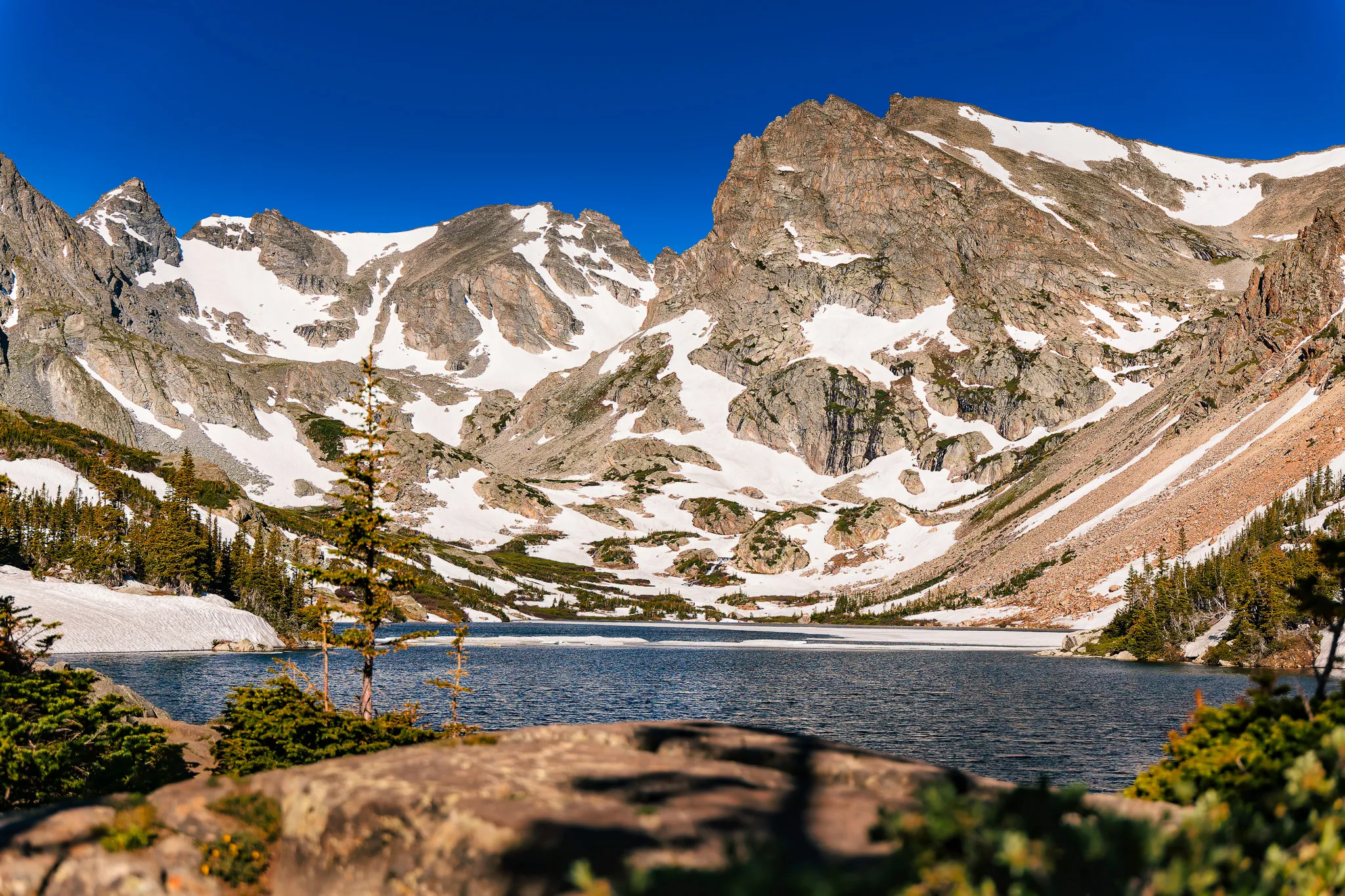
Colorado's Front Range combines things you do not get anywhere else. You have dramatic vertical relief (the Flatirons rise 1,500 feet right out of the prairie), clean dry air that makes the light sharper and more saturated, and a western horizon line that creates this unique interplay between shadow and direct light.
The dry air is a bigger deal than people realize. Humidity diffuses light and washes out color. Colorado's low humidity means golden hour light stays warm and concentrated instead of going hazy. The reds are redder, the golds are more golden, and skin tones look warm without being orange. After years of shooting here, it is still the thing that makes me stop and appreciate where I live.
When Golden Hour Does Not Work
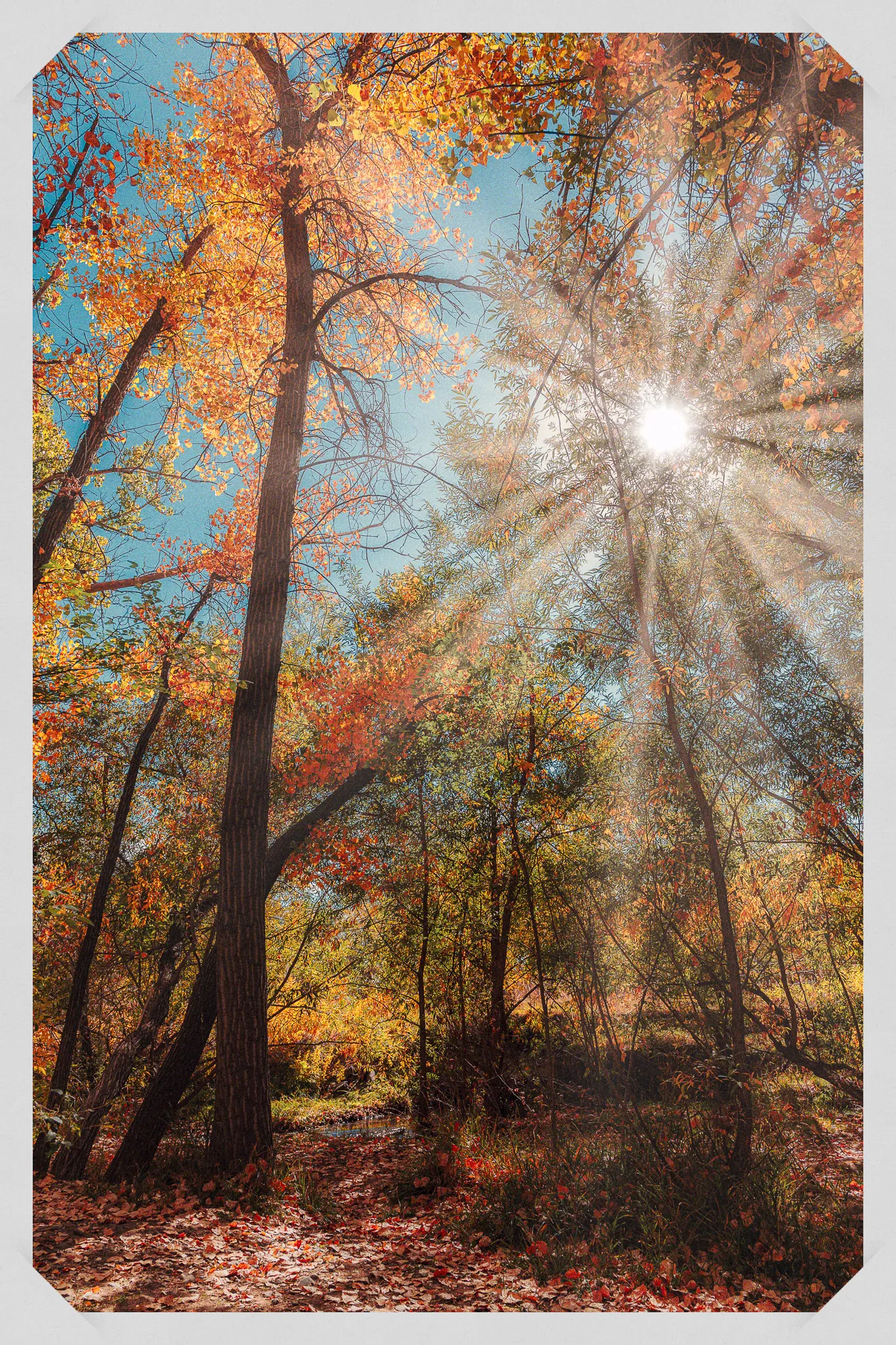
There are times I will recommend against golden hour. Midday overcast produces beautiful, even light for family sessions where nobody is squinting. Cloudy mornings work well for headshots where you want soft, flattering illumination without harsh shadows. And some locations, like Boulder Creek under the cottonwood canopy, are actually better in open shade during the middle of the day because the tree cover creates its own soft light.
Golden hour is my default because it is consistently beautiful, but it is not the only option. If your schedule does not allow for a late afternoon session, I know how to make other lighting conditions work. The goal is always to match the right light to the right location to the right moment.
Frequently Asked Questions
What time is golden hour in Boulder?
It shifts with the seasons. In summer (June and July), golden hour starts around 7 PM and the sun drops behind the mountains by 8:15 PM. In winter (December and January), golden hour starts around 3:45 PM with sunset near 4:40 PM. Spring and fall land somewhere in between. I always check the exact timing for your session date and build our schedule around it.
Do you ever shoot at sunrise instead of sunset?
Yes, and sunrise sessions are underrated. The light is just as good, the trails are empty, and you get the mountains fully lit on their east-facing slopes. The trade-off is an early alarm clock. Summer sunrise means meeting at 5 AM, which is not for everyone. But if you are a morning person, sunrise sessions produce some of my best work with zero crowds and perfect light.
What if it is cloudy during our session?
Overcast skies actually produce beautiful, even light that is very flattering for portraits. You lose the golden warmth, but you gain soft shadows and no squinting. Some of my favorite family sessions have been under light cloud cover. Heavy overcast or incoming storms are a different story, and I will work with you to reschedule if conditions look bad. But do not cancel just because the sky is gray.
Photography Services
These services connect to the topics covered in this guide.
Have a question about your session?
I am happy to help. Send me a message and let's figure out the details.