
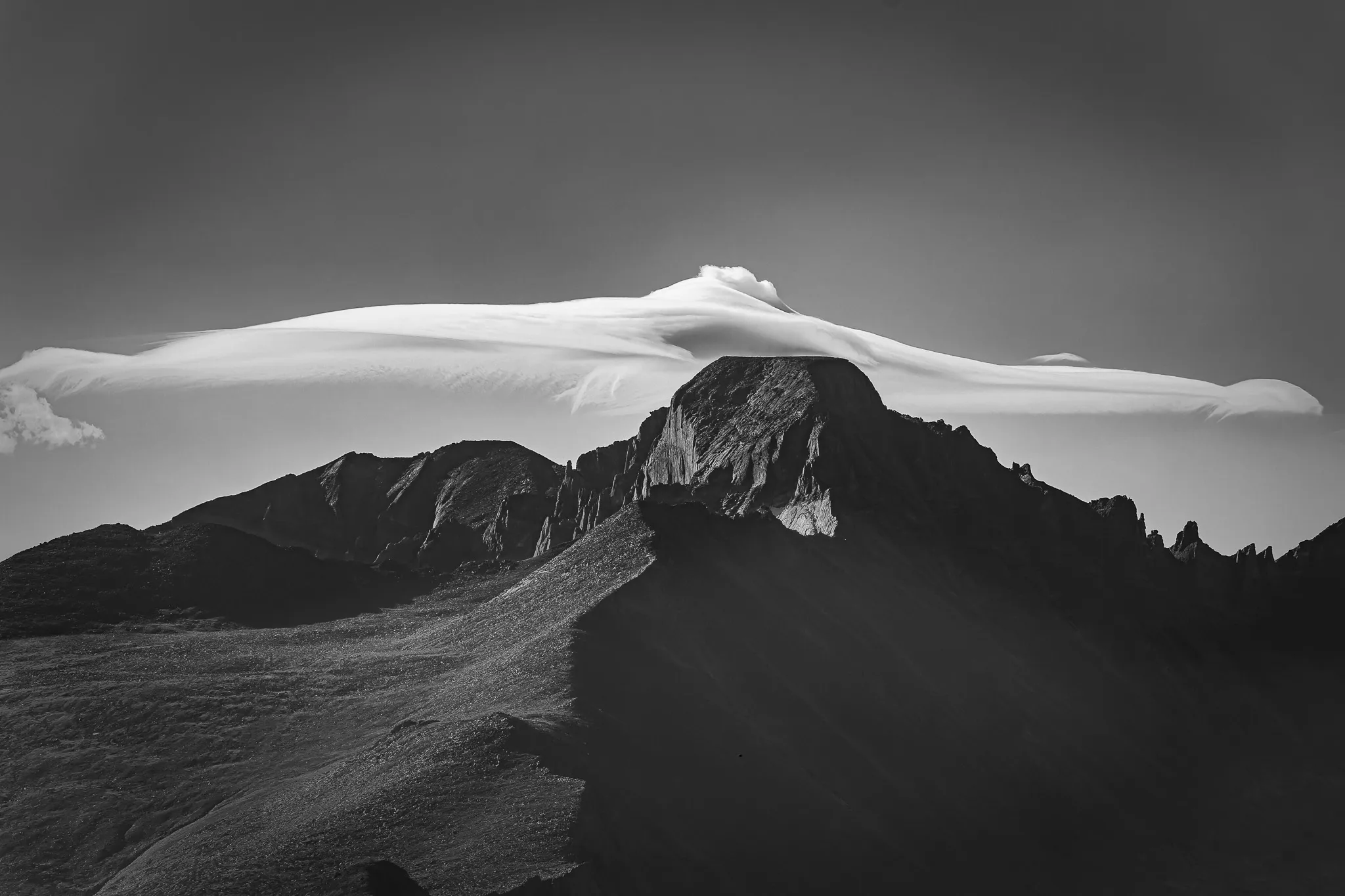
Flagstaff Mountain and Panorama Point
Ten minutes of driving from downtown Boulder puts you on top of a mountain with a 180-degree view of the plains, the city, and the Continental Divide. Flagstaff Mountain is one of my favorite sunrise locations and a completely different feel from anything at lower elevations.
The Drive Up
Flagstaff Road starts at the west end of Baseline Road and immediately begins climbing. The road is paved, narrow, and full of switchbacks. It is not a difficult drive, but if you have never done it before, take it slow and stay in your lane around the curves. Cyclists use this road constantly (it is one of the most popular road climbs in Boulder), so be alert.
The first major pulloff is the Panorama Point overlook, about a mile and a half up. There are additional pulloffs, trailheads, and meadow areas as you continue higher. The road eventually connects to Gross Reservoir Road if you follow it far enough, but for photo sessions I almost always use the lower section between Panorama Point and Artist's Point.
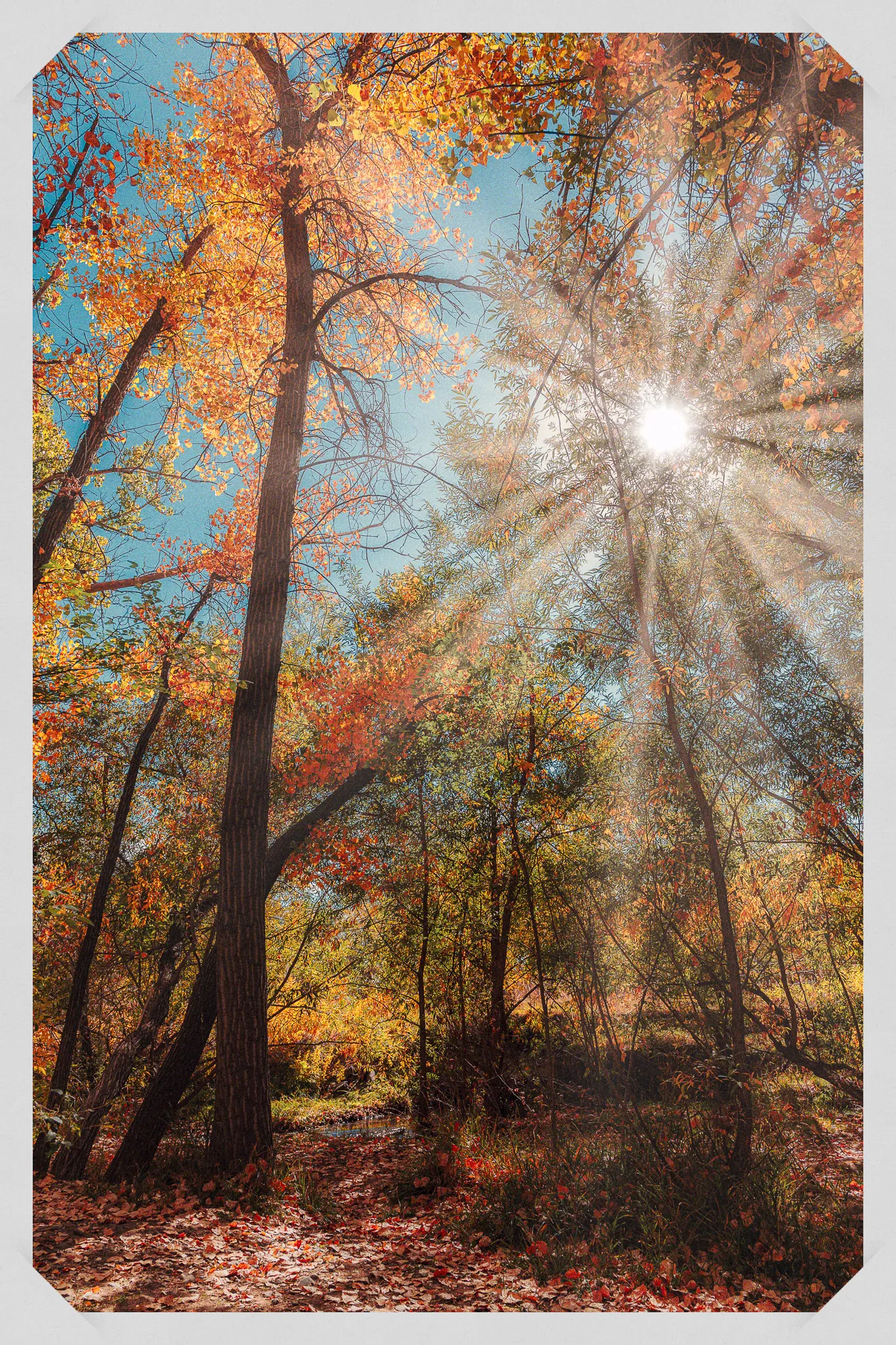
Panorama Point
This is the spot. A stone overlook with a view that stretches from the plains east of Denver all the way to the Indian Peaks to the west. You can see the Boulder Valley laid out below, the CU campus, the reservoir, and on clear days the skyline of Denver on the horizon.
For sunrise sessions, Panorama Point is unbeatable. The sun comes up over the plains and lights the entire valley in warm tones while you are standing above it all. I have watched countless sunrises from this overlook, and it still gets me every time. The first light hits the stone wall, warms up the sandstone ledge, and everything glows.
The overlook area itself is flat and accessible. There is a short stone wall along the edge that people naturally lean against or sit on. It is a comfortable, safe space that does not require any hiking or scrambling. Families, couples, and individuals all photograph well here because the panoramic backdrop does so much of the work.
Artist's Point and the Upper Pulloffs
Continuing up past Panorama Point, you hit Artist's Point and several roadside meadow areas. Artist's Point is a smaller overlook with a slightly different angle, looking more to the south and west. It gets less traffic than Panorama Point, which means more privacy during sessions.
The meadow pulloffs along the road are hidden gems. In summer, these clearings fill with wildflowers and tall grass. The mountain backdrop behind them includes views of the higher peaks, and the afternoon light filters through the ponderosa pines at the edges. I use these meadows for a softer, more intimate feel compared to the wide-open drama of Panorama Point.
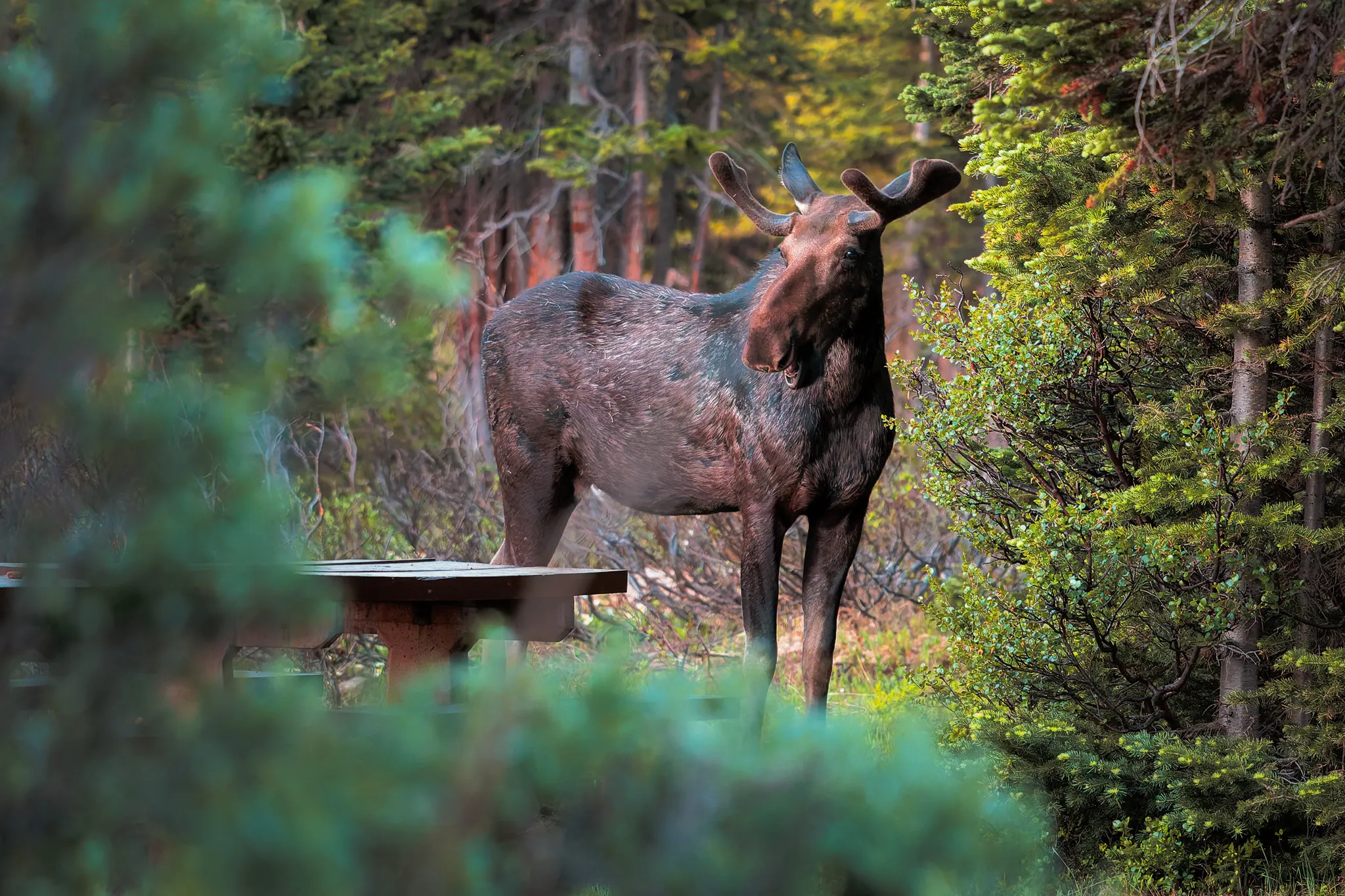
Gregory Canyon Access
The Gregory Canyon trailhead sits at the base of Flagstaff Road, just before the road starts climbing. It is a popular hiking trail, and the lower section winds through a narrow canyon with dense tree cover, creek crossings, and dappled light. I occasionally use the first quarter-mile of this trail for sessions that want a forested, enclosed feel.
The trail itself is moderate, with some rocky sections and moderate grade. It is not stroller-friendly, but anyone in decent walking shape can handle the short section I use for photos. The filtered light in Gregory Canyon works well on bright days when the open overlooks above would be too harsh.
Sunrise vs. Sunset
Sunrise: This is my primary recommendation for Flagstaff. You are facing east from 7,000 feet, which means you get front-row seats to the sunrise over the plains. The light comes straight at you, warm and low, and the valley below transitions from shadow to gold. Sunrise sessions require an early wake-up (we need to be on the mountain before first light), but every client who has done it tells me it was worth it.
Sunset: The overlooks face east, so you do not see the sun go down from Panorama Point. What you do get is the afterglow on the plains and the lights of Boulder starting to come on in the valley below. The meadow areas higher up catch the last western light. Sunset on Flagstaff works, but it is a different mood: quieter, cooler, with softer light.
If I had to pick one, sunrise wins on Flagstaff. For sunset, I would steer you toward NCAR and South Mesa or The Peoples' Crossing instead.
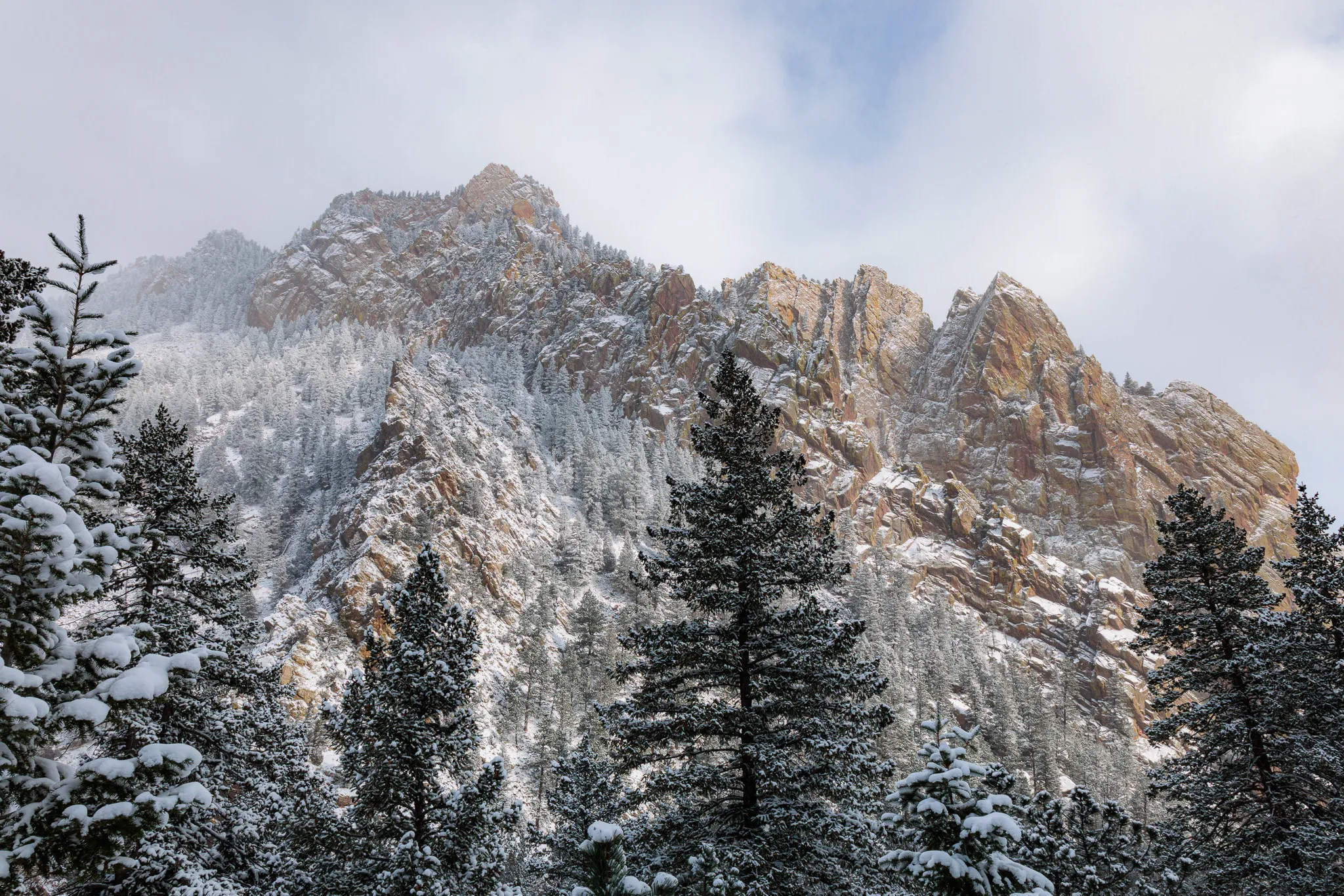
Wind and Weather
I need to be honest about this: Flagstaff Mountain gets wind. Not every day, but often. The summit sits exposed above the Boulder Valley, and winds that feel like a gentle breeze downtown can be 30 or 40 mph at the overlooks. Hair goes everywhere, jackets flap, and holding a camera steady takes more effort.
I always check the weather before a Flagstaff session. If the forecast calls for sustained winds above 20 mph, I will suggest we move to a more sheltered location. On calm evenings and still mornings, the mountain is perfect. On windy days, it is not worth fighting the conditions.
Afternoon thunderstorms are also a consideration from May through September. I keep an eye on the radar and will not stay on an exposed mountaintop if storms are building. Safety always comes first, and I will reschedule without any hassle if conditions turn.
What to Bring
- Warm layers: The temperature at 7,000 feet can be 10 to 20 degrees cooler than downtown Boulder. Even in summer, early mornings on Flagstaff can be chilly. Bring a jacket or sweater you can layer in.
- Comfortable shoes: If we stay at the overlooks, any closed-toe shoe works. If we venture onto a trail, something with grip is better.
- Water: The altitude and dry air matter. Stay hydrated, especially if you are visiting from a lower elevation.
- Patience for the drive: Flagstaff Road is winding. If you get carsick easily, sit in the front and look ahead. The drive is short but twisty.
Why I Recommend Flagstaff
The view from Panorama Point is one of those things that makes people stop talking for a second. I see it happen during sessions: people get to the overlook, look out at the valley, and just pause. That moment, when you forget about the camera and just take in where you are, is usually when I get my best shots.
Flagstaff gives you a sense of being above it all without requiring a serious hike or a full day commitment. You drive up, park, walk to the overlook, and you are standing on top of the world. For clients who want something more dramatic than a park but less demanding than a backcountry trek, this is the sweet spot.
Frequently Asked Questions
How do I get to Flagstaff Mountain?
Drive west on Baseline Road from Boulder, which turns into Flagstaff Road and winds up the mountain. It is a narrow, steep road with switchbacks. The drive to Panorama Point takes about 10 minutes from the base. There is no fee to drive up, but the road can be icy in winter and the city sometimes closes it after snowstorms.
Is Flagstaff Mountain a good location for families with kids?
Panorama Point has a flat overlook area with a stone wall that works well for families. You do not need to hike at all. Just park and walk to the viewpoint. I would not recommend the steeper trails like Gregory Canyon for young kids, but the pulloff meadows and Panorama Point itself are very family-friendly.
How windy does it get on Flagstaff?
It can get very windy, especially at the exposed overlook areas. The mountaintop is about 1,500 feet above Boulder, and wind that feels mild in town can be strong up there. I always check conditions before a Flagstaff session and will suggest an alternative if the wind is going to be a problem. On calm evenings, though, it is one of the most peaceful spots around.
Photography Services
These services connect to the topics covered in this guide.
Have a question about your session?
I am happy to help. Send me a message and let's figure out the details.