
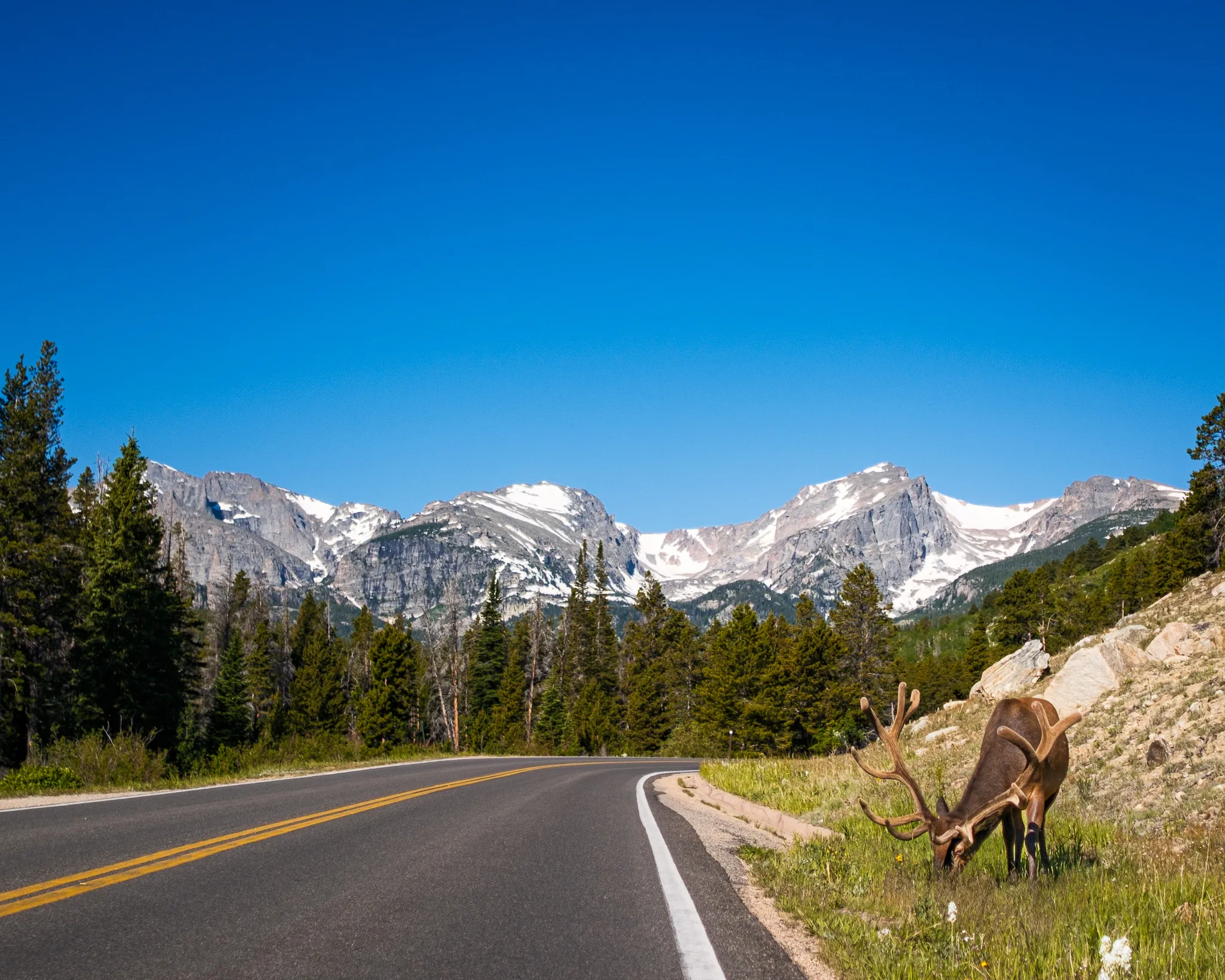
Colorado Weather: Planning Around Storms, Wind, and Snow
Colorado weather has a reputation, and it is earned. Here is how I plan sessions around the storms, wind, and surprises that make this place interesting.
The Afternoon Thunderstorm Pattern
From late May through September, Colorado runs on a predictable storm clock. Here is how it works: the morning sun heats the mountain slopes, warm air rises, moisture condenses into towering cumulus clouds by early afternoon, and by 2 or 3 PM those clouds start producing thunderstorms that roll east along the Front Range.
The storms usually pass through within an hour or two. By 5 or 6 PM, the sky is clearing, the air smells like rain and pine, and the light that follows is some of the best you will ever see. That post-storm golden hour, when the low sun breaks through remaining clouds and the wet surfaces catch the light, is genuinely special. I have had sessions where a storm rolled through right before our start time, and the photos ended up being the best of the whole season.
The practical takeaway: I almost never schedule summer sessions between 1 and 5 PM. Morning sessions (before 11 AM) and evening sessions (starting around 5:30 or 6 PM) work around the storm window naturally. If your session is in the evening and storms are in the forecast, I watch the radar in real time and will text you updates as we get closer.
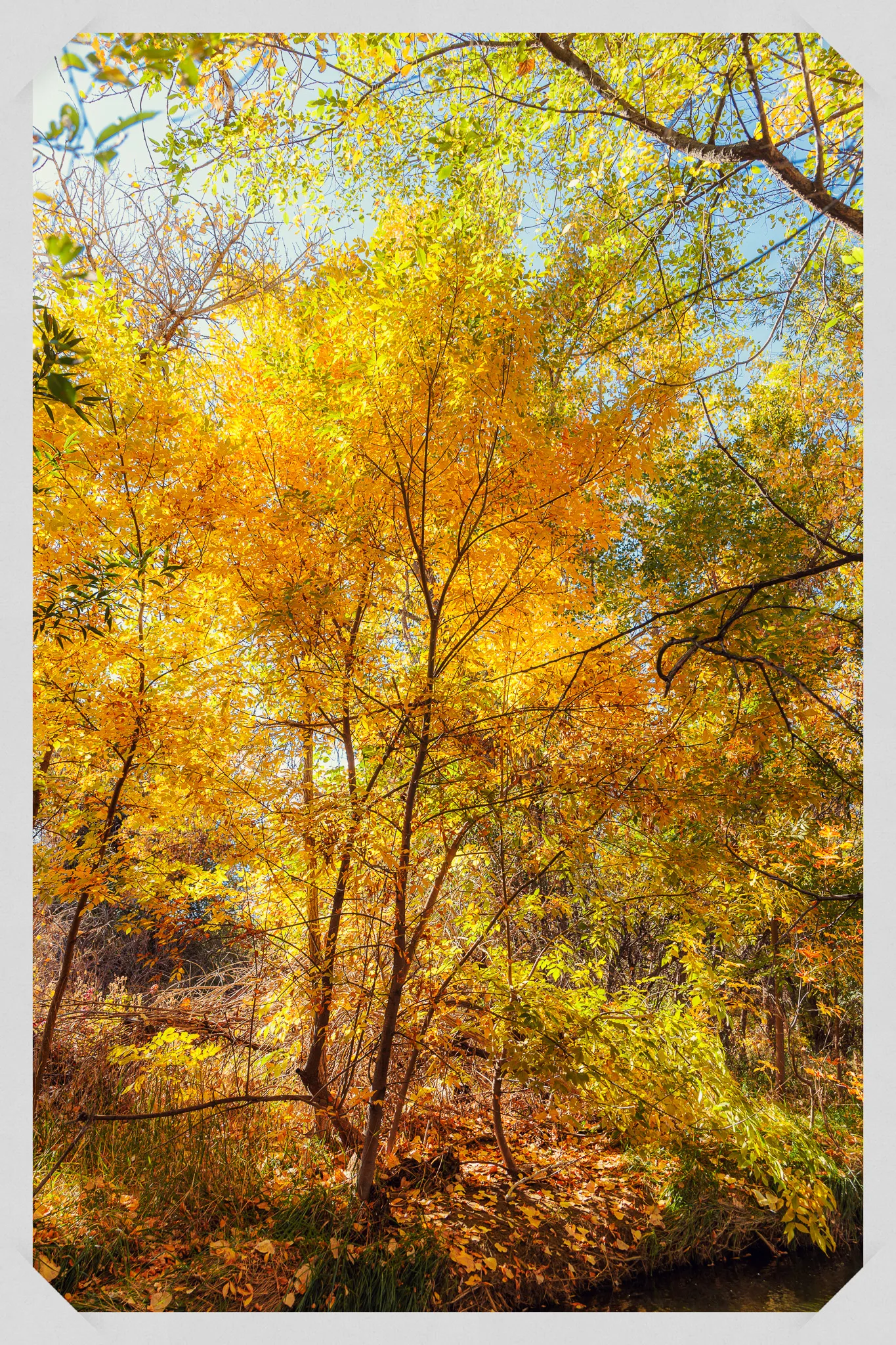
Wind Windows
Wind is probably the weather factor I think about most in Boulder. The city sits at the mouth of Boulder Canyon, which acts like a funnel for westerly winds. Chinook wind events can happen any time of year but are most common in winter and spring.
Here is the general pattern: mornings along the Front Range are usually calmer. Wind picks up through the afternoon, especially when there is a weather system moving through. For photo sessions, this means morning sessions are almost always less windy than afternoon sessions.
When wind is in the forecast, I have a few strategies:
- Move to a sheltered location. Boulder Creek Canyon, the lower sections of The Peoples' Crossing, and areas tucked behind the Flatirons are all more protected than open meadows.
- Shift the session earlier. A 7 AM start avoids afternoon wind entirely.
- Use the wind. Moderate wind can create dynamic photos. Hair blowing, a jacket caught mid-gust, a veil streaming behind a couple on a ridgeline. There is a difference between uncomfortable wind and photogenic wind, and I know the threshold.
- Reschedule. If the forecast shows sustained gusts above 30 mph, I will recommend moving the session. Nobody looks relaxed when they are bracing against the wind, and it is not safe on exposed trails.
Reading the Radar for Mountain Sessions
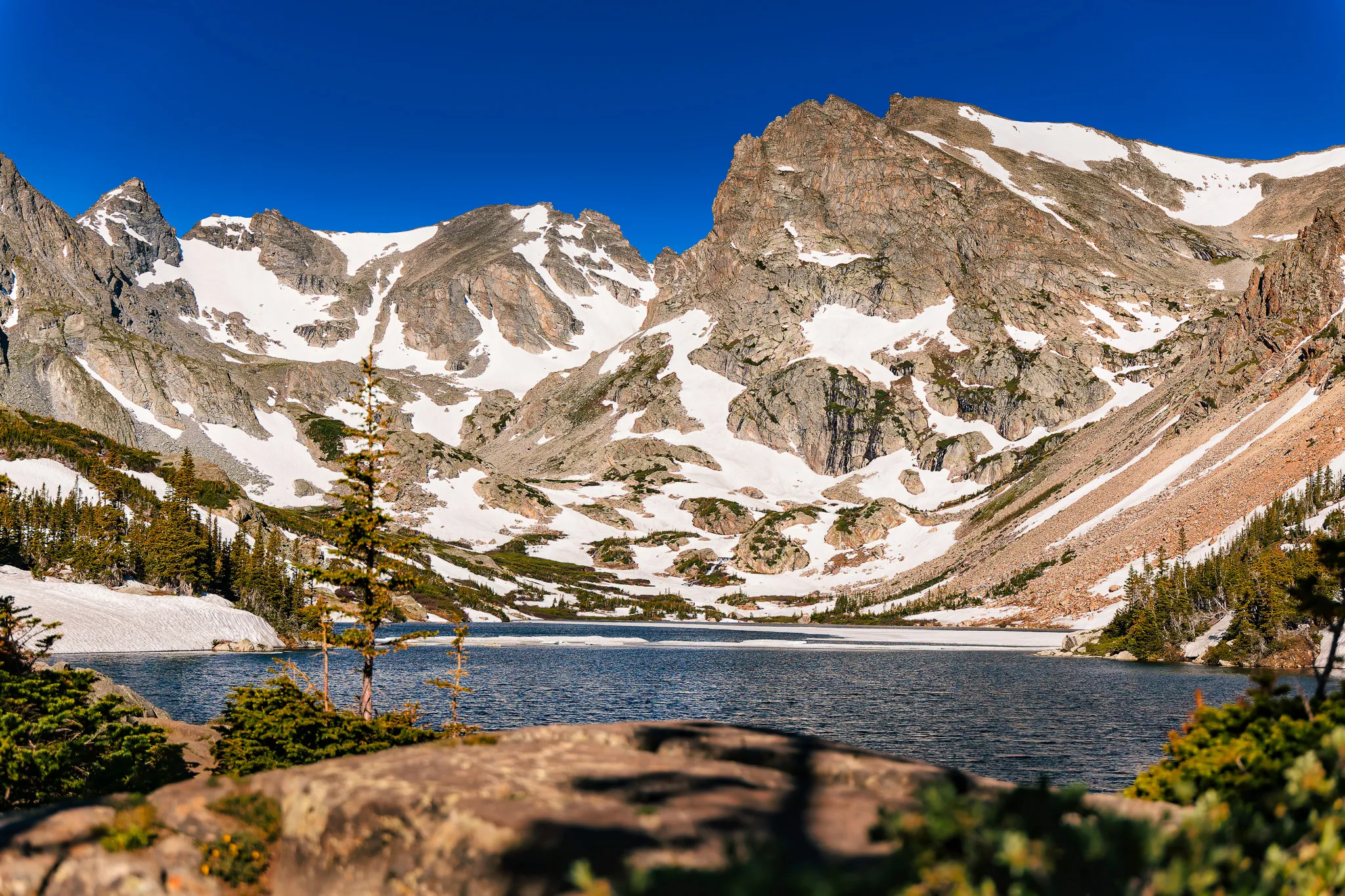
When I am shooting higher up, near Nederland, Estes Park, or the Indian Peaks area, the weather rules change. Storms build faster, hit harder, and lightning is a serious safety concern above treeline. I do not take chances with mountain weather.
My process for mountain sessions: I start checking forecasts three days out. The morning of the session, I look at satellite imagery and radar to see if convective activity is building over the divide. If storms are likely before our planned end time, I either move the session earlier, shift to a lower-elevation location, or reschedule.
Above treeline, my hard rule is simple. If I can hear thunder, we leave. No photo is worth a lightning strike on an exposed ridge. I have turned around on hikes 20 minutes from the destination because conditions changed. It is always the right call, even when it is disappointing.
Snow Sessions: When They Work
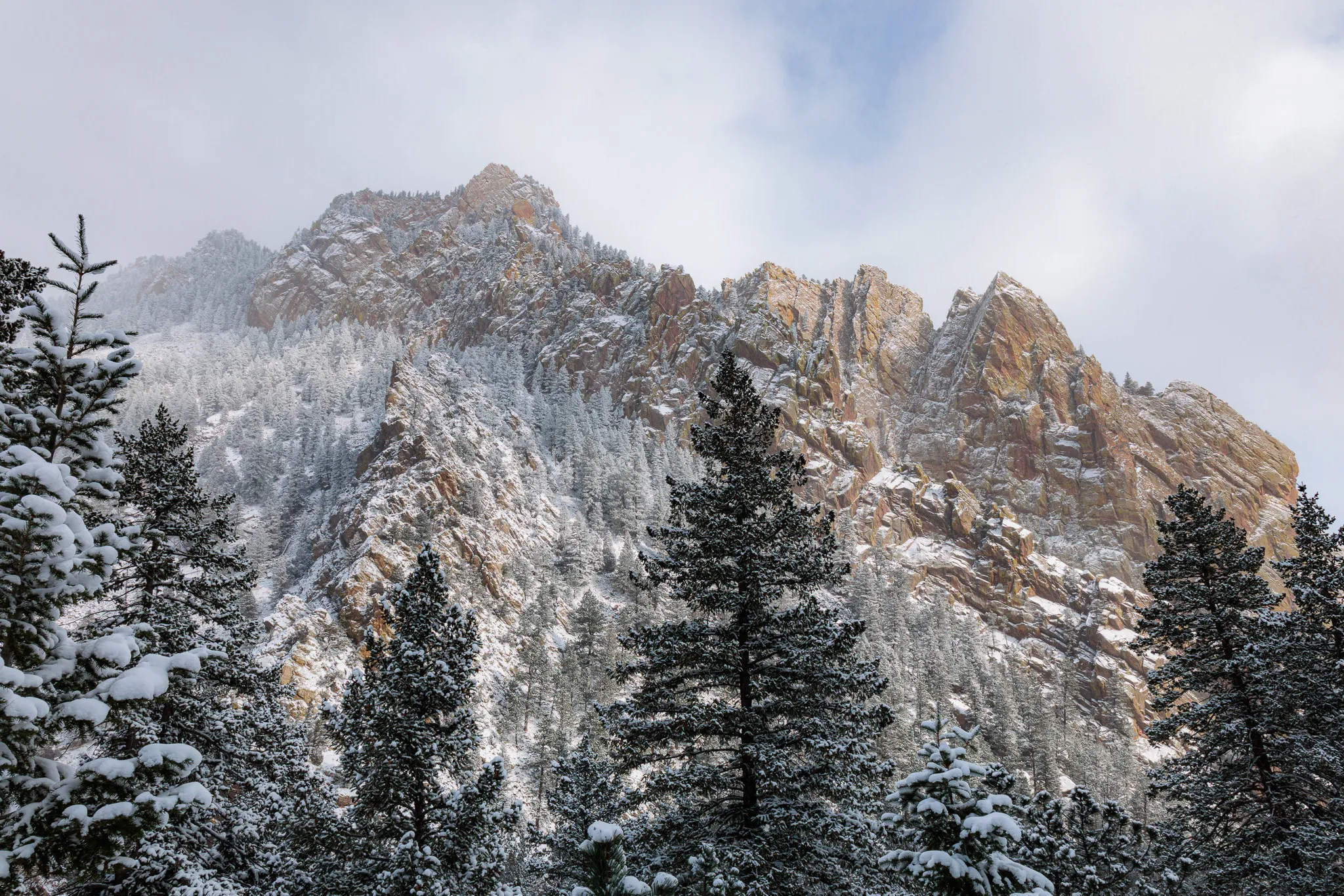
Snow sessions are some of my favorite work, but they require the right conditions. Here is what makes a good snow session:
- Fresh snow, not old snow. A day or two after a storm, when the snow is still clean and white on the trees and rocks. Old, crunchy, dirt-streaked snow does not photograph well.
- Manageable temperatures. I aim for days when the temperature is between 25 and 40 degrees Fahrenheit. Cold enough that the snow stays nice, warm enough that nobody is miserable. Late morning is usually the sweet spot.
- Accessible locations. After a big storm, many trailheads are plowed but the trails themselves are not. I stick to locations where we can get good shots without postholing through deep snow. Chautauqua Meadow, the lower Flagstaff pulloffs, and Wonderland Lake's paved loop all work well.
- Willing participants. This sounds obvious, but snow sessions are not for everyone. If your kids hate the cold, a snow session is going to be a short, unhappy experience. If your family loves playing in the snow, it will be incredible.
When Snow Sessions Do Not Work
Actively falling snow creates problems with camera gear and visibility. Heavy wet snow sticks to everything and turns into a slog. Extreme cold (below 15 degrees) makes batteries die, fingers go numb, and expressions freeze into grimaces. And slushy, half-melted conditions are worse than no snow at all.
The ideal snow session happens on a calm, sunny day one to two days after a storm. Colorado's 300 days of sunshine means this scenario comes up regularly throughout winter. I keep an eye on the forecast and will reach out to clients when a good snow window opens up.
Real Stories from the Field
Last September, I had a family session at Chautauqua scheduled for 5:30 PM. At 3 PM, a monster thunderstorm rolled through with hail and sideways rain. The family texted me, sure we would need to cancel. I told them to sit tight. By 5:15, the storm had passed, the sky was clearing from the west, and we started shooting at 5:40. The Flatirons were still wet and glistening, there was a rainbow arcing over Bear Peak, and the post-storm light was that deep, saturated gold that makes everything glow. Best session of the month.
On the other hand, I had a couples session planned for Flagstaff Mountain last spring where the wind came out of nowhere. We drove up, stepped out of the car, and immediately knew it was not going to work. Gusts were rocking the car. We drove back down to The Peoples' Crossing, tucked behind the red rocks where the wind was blocked, and had a great session in a completely different location than planned. Flexibility is everything.
My Weather Promise
I never charge for weather reschedules. If conditions are unsafe or genuinely terrible, we move the session to another date at no extra cost. I also do not make you decide hours in advance. Colorado weather changes fast, and a forecast from the morning can be completely wrong by afternoon. I monitor conditions right up until our start time and communicate with you throughout the day.
My general rule: if there is a question about weather, text me. I will give you an honest assessment and a recommendation. Sometimes the answer is "let's wait and see." Sometimes it is "we should move to Tuesday." Either way, you will not be guessing alone. Check out my weather backup plans guide for more on how I handle rescheduling.
Frequently Asked Questions
How often do you actually have to reschedule because of weather?
Less than you might think. Maybe 10% of sessions need to move, and it is usually for sustained rain or dangerous lightning, not just clouds or a passing shower. Colorado storms tend to be fast-moving. They roll in, drop some rain, and clear out. I watch the radar closely and can usually wait out a short storm or shift our start time by 30 minutes to let it pass. Full reschedules are rare.
Do you shoot in the rain?
Light rain, yes. It creates soft, moody light and dramatic skies. I carry weather protection for my gear, and a little rain in photos adds character. Heavy, sustained rain is a different story. If it is pouring sideways, nobody is having fun, and the photos show it. I will call it and we reschedule. No charge, no hassle.
What about wind? Boulder gets really windy.
Boulder's Chinook winds are no joke. They can gust to 80 mph and turn a pleasant session into a survival exercise. I watch the wind forecast closely and will reschedule if sustained winds above 30 mph are predicted. For moderate wind (15 to 25 mph), I choose sheltered locations: Boulder Creek Canyon, the lower areas of The Peoples' Crossing, or spots tucked against the foothills. Some wind is actually great for photos. Hair moving, clothes flowing, it adds energy. But there is a line, and I know where it is.
Photography Services
These services connect to the topics covered in this guide.
Have a question about your session?
I am happy to help. Send me a message and let's figure out the details.